Introduction
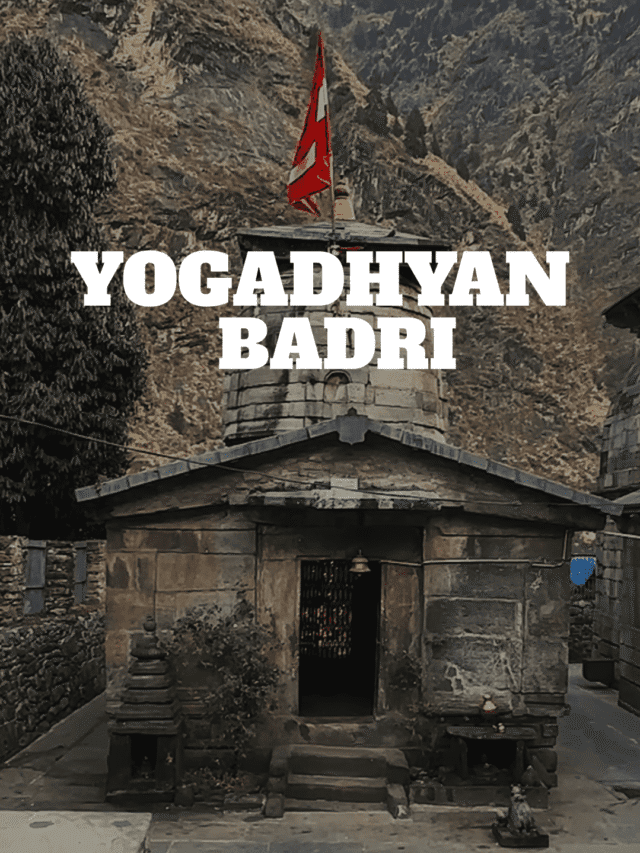
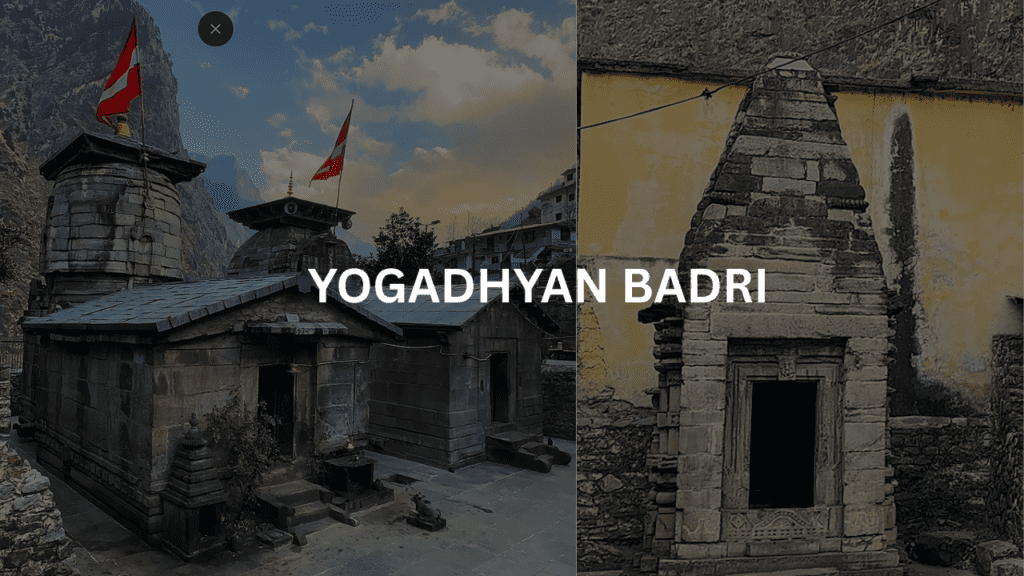
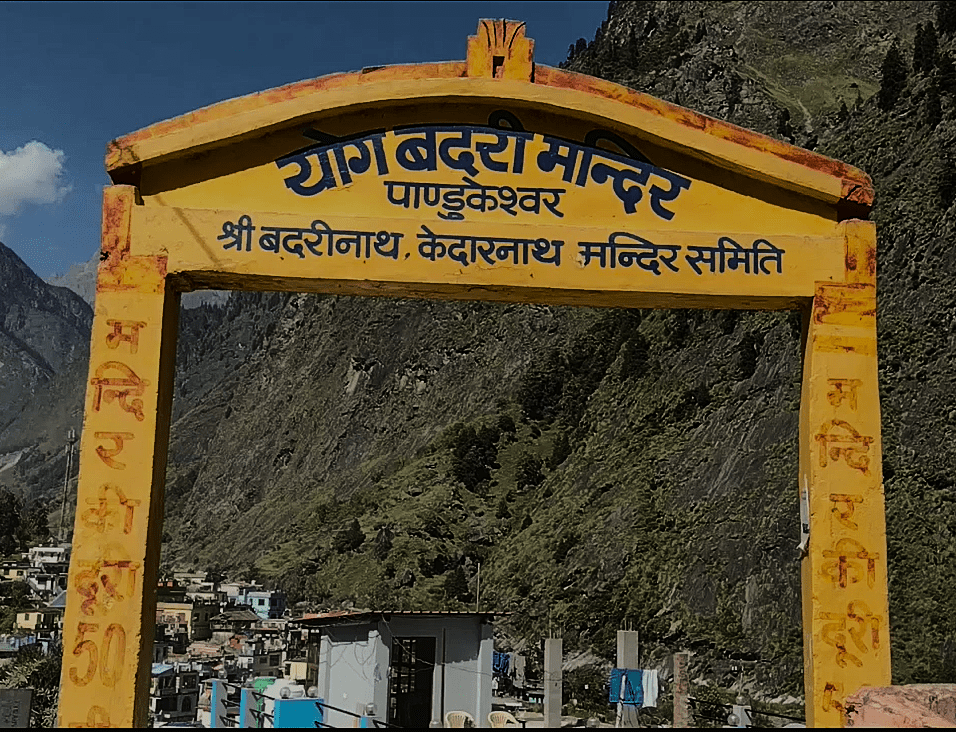
Yogadhyan Badri Temple is one of the most serene and spiritually powerful temples dedicated to Lord Vishnu in Uttarakhand. Moreover, this sacred site stands in the small village of Pandukeshwar near Badrinath and offers a tranquil atmosphere, deep mythological roots, and strong meditative energy. Unlike crowded pilgrimage destinations, Yogadhyan Badri Temple provides peace, simplicity, and a profound spiritual connection.
Furthermore, this temple holds a special place among India’s ancient Badri temples. Surrounded by the majestic Garhwal Himalayas, Yogadhyan Badri attracts devotees, spiritual seekers, and travelers who wish to experience devotion beyond rituals. Overall, it is a place where history, faith, and nature beautifully converge.
What is Yogadhyan Badri?
Yogadhyan Badri stands as a revered Hindu temple where devotees worship Lord Vishnu in a yogic meditative posture. The name itself reflects its essence:
- Yoga means meditation
- Dhyan means deep concentration
Consequently, this temple depicts Lord Vishnu absorbed in divine meditation. It is one of the Panch Badri temples, which together form a significant spiritual circuit in Uttarakhand.
Deities of Yogadhyan Badri
Lord Vishnu serves as the principal deity of Yogadhyan Badri, and devotees worship him here in a life-sized meditative posture. According to tradition, King Pandu, the father of the Pandavas, installed this sacred idol.
Besides Lord Vishnu, the temple also houses:
- Lord Uddhava, the brother and devotee of Lord Krishna
- Lord Kubera, the god of wealth
During the winter months, when temple authorities close the Badrinath Temple, devotees worship the idol of Lord Uddhava at Yogadhyan Badri, which further enhances its religious significance.
Location of Yogadhyan Badri Temple
Yogadhyan Badri stands in the tranquil Himalayan village of Pandukeshwar, along the route to Badrinath.
Distance Information:
- Approximately 18 km from Joshimath
- Approximately 23 km from Badrinath
Moreover, the temple stands at a high altitude where the air feels pure, and the surrounding environment naturally encourages peace and introspection.
History of Yogadhyan Badri Temple
The history of Yogadhyan Badri connects directly to the Mahabharata period. Many scholars and devotees believe that after handing over the kingdom of Hastinapur to King Parikshit, the Pandavas chose the Himalayan region for their spiritual pursuits.
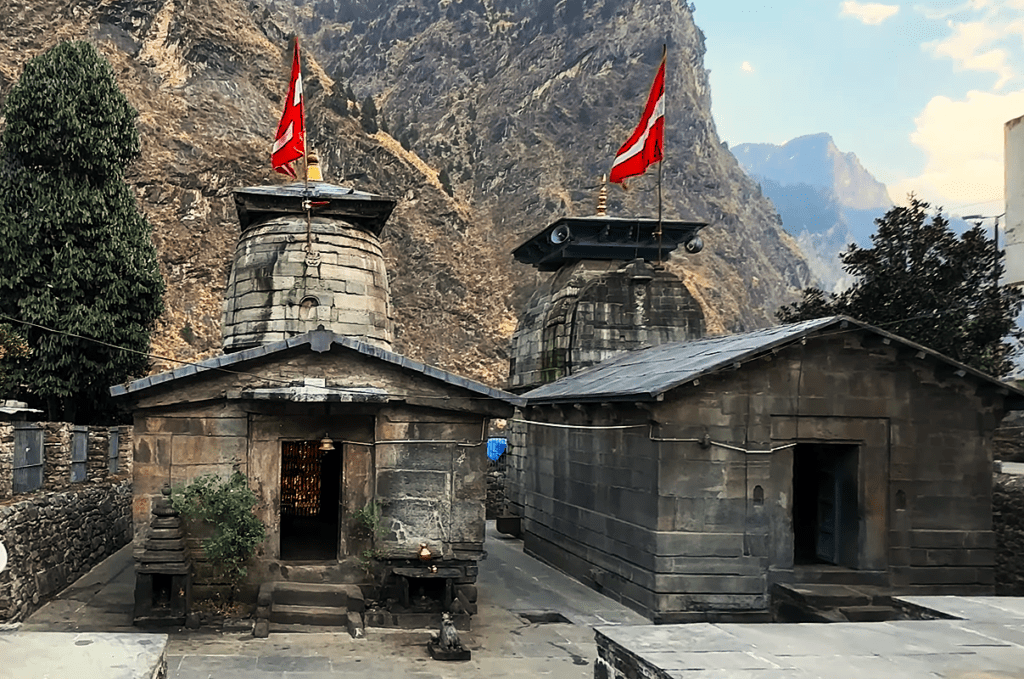
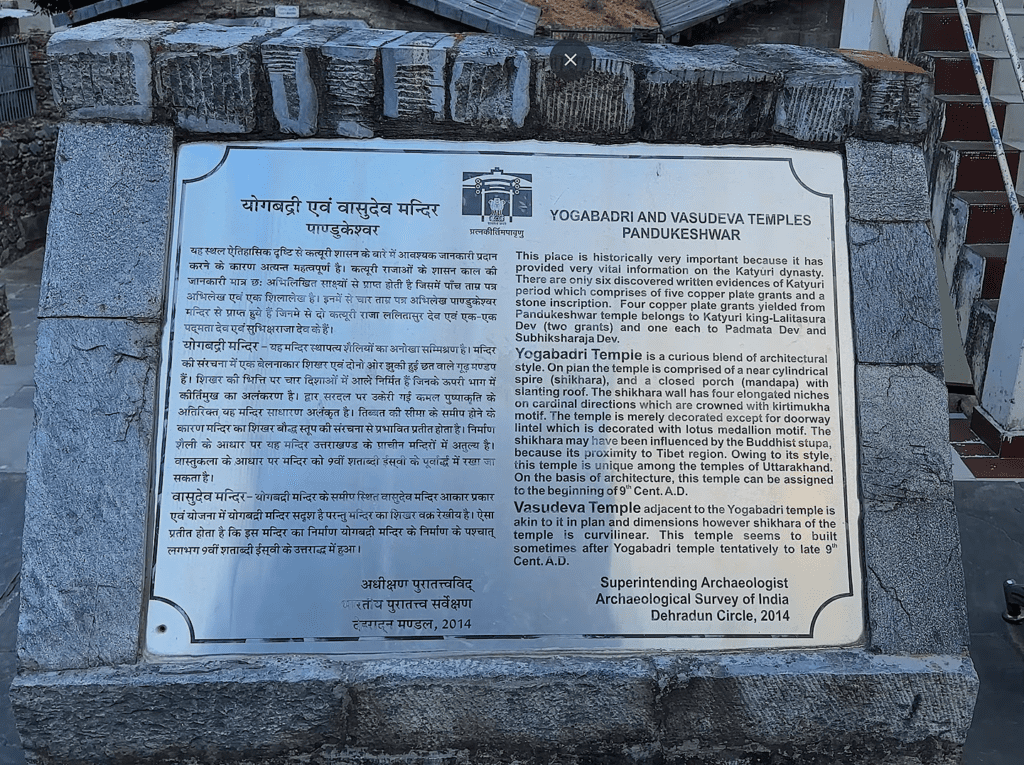
Their father, King Pandu, spent his final years in deep penance at Pandukeshwar. Therefore, people considered this place sacred long before they built the temple. Inscriptions on ancient copper plates found here also indicate that the region received patronage from early rulers who protected and promoted spiritual centres.
Thus, Yogadhyan Badri is not just a temple, but a living testament to ancient Indian spiritual traditions.
Mythological and Spiritual Significance
The significance of Yogadhyan Badri lies in its deep connection to renunciation, meditation, and spiritual solitude. Unlike Badrinath, which represents royal worship, Yogadhyan Badri embodies a serene path of devotion.
Key beliefs include:
- King Pandu attained spiritual liberation here.
- The Pandavas meditated in this region before their final journey.
- Lord Vishnu chose this place for eternal meditation.
Consequently, devotees believe that sincere prayer at Yogadhyan Badri helps calm the mind and strengthen inner awareness.
Architecture and Temple Features
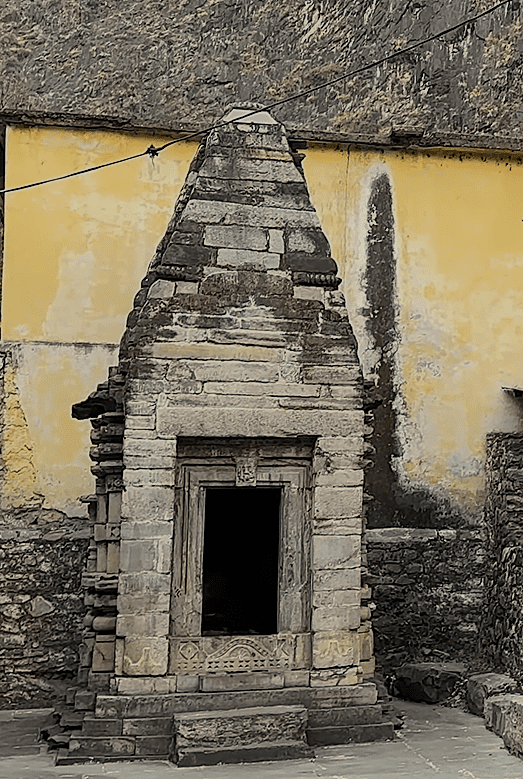
Architecturally, Yogadhyan Badri follows a simple yet ancient Himalayan temple style. It lacks elaborate decorations, keeping the focus on devotion rather than ostentation.
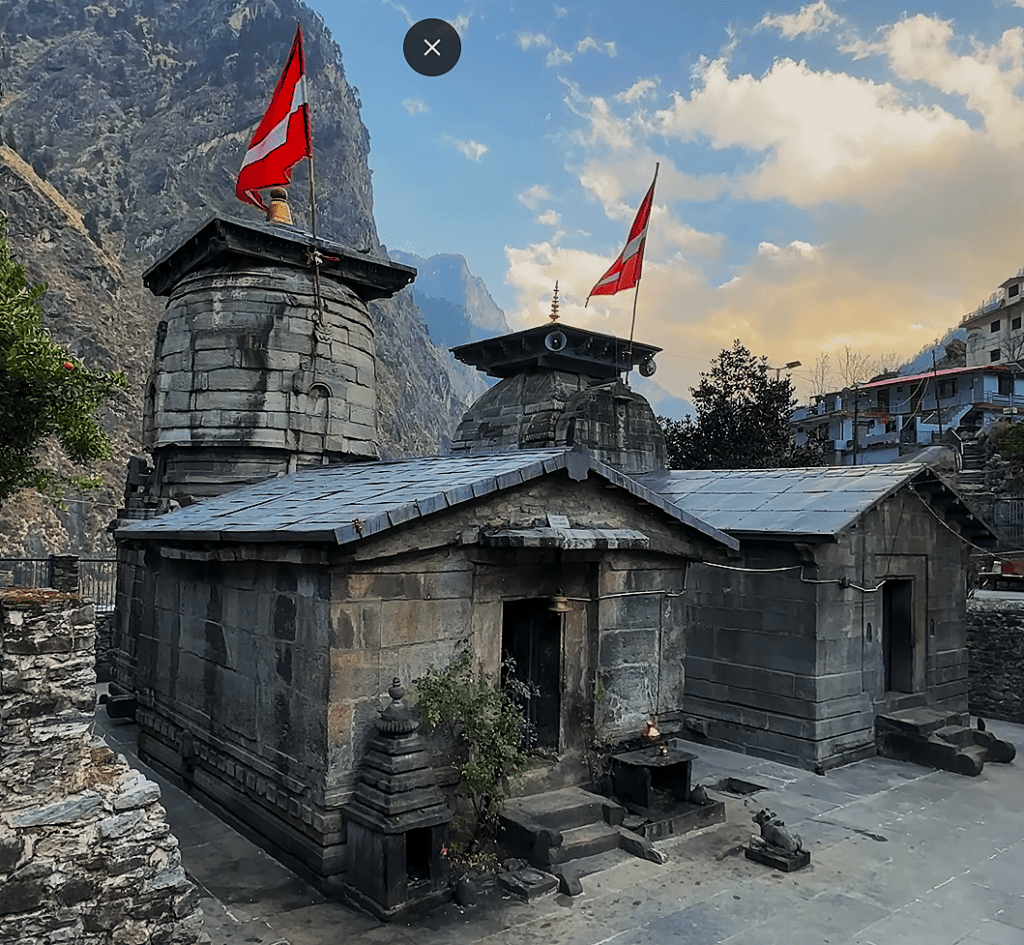
Notable features:
- Stone-built structure
- Serene sanctum
- Idol of Lord Vishnu in a meditative posture (Padmasana)
- Naturally tranquil atmosphere
Overall, the simplicity of the temple enhances its spiritual power.
Timings and Entry Fee
Temple Timings:
- Morning: 05:00 AM
- Evening: 09:00 PM
Entry Fee:
- No entry fee
Devotees can visit freely, making the experience more welcoming and accessible.
Best Time to Visit Yogdhyan Badri
The Best time to visit Yogdhyan Badri is:
- May to June – The weather is pleasant and the roads are clear.
- September to October – The post-monsoon period offers lush greenery and a tranquil atmosphere.
However, unlike many Himalayan temples, Yogdhyan Badri remains open even during the winter months, offering a unique opportunity to experience devotion amidst snow-covered mountains.
How to Reach Yogdhyan Badri
By Road
Shared jeeps and taxis are easily available from Joshimath to Pandukeshwar. The road journey itself is beautiful and enjoyable.
By Rail
Nearest Railway Station:
- Rishikesh – about 274 km
- Dehradun – about 302 km
From there, you will have to travel by road.
By Air
Nearest Airport:
- Jolly Grant Airport, Dehradun (about 290 km)
Taxis and buses are available from the airport to Joshimath.
Things to Do at Yogadhyan Badri
Travelers can enjoy more than just visiting the temple.
- Meditation: Sit quietly and feel the calm energy.
- Pilgrimage: Pray with devotion.
- Nature Walk: Take in the Himalayan views.
- Photography: Take pictures of the serene atmosphere.
- Cultural Interaction: Learn about local Garhwali life.
This journey, therefore, becomes both a spiritual and experiential experience.
Dress Code and Visitor Guidelines
- Dress modestly and respectfully
- Avoid loud talking
- Photography may be prohibited inside the sanctum sanctorum
- Follow local customs and instructions
Respectful behavior enhances the spiritual experience for all.
Festivals and Special Occasions
The most important festival is Devwar.
During this festival:
- Devotees carry the idols of Lord Uddhava and Lord Kubera to Badrinath in a divine procession.
- Devotees celebrate the return journey in winter with deep devotion.
These festivals add cultural depth to the spiritual atmosphere.
Places to Visit Near Yogdhyan Badri
Nearby attractions include:
- Badrinath Temple – One of the Char Dhams
- Auli – Beautiful Hill Station and Ski Destination
- Valley of Flowers National Park – UNESCO World Heritage Site
- Hemkund Sahib – Sikh Pilgrimage Site
- Joshimath – Ancient Temple and Trekking Base
Thus, travelers can plan a complete spiritual journey.
Accommodation and Food
Stay Options
- GMVN Tourist Rest House (Badrinath)
- Budget Hotels in Joshimath
- Guest Houses in Pandukeshwar
Food Options
- Local Dhabas in Pandukeshwar
- Restaurants in Joshimath
- Simple Vegetarian Food near Badrinath
The food is mostly sattvic and suitable for pilgrims.
Travel Tips for Yogadhyan Badri
- Carry warm clothing, even in summer.
- Check road conditions during the monsoon.
- Carry cash, as ATMs are limited.
- Respect the spiritual serenity of the place.
Advance planning makes the journey easier.
You can also read our complete guide to the Badrinath Dham Yatra to plan the entire Panch Badri pilgrimage.
Conclusion
Yogadhyan Badri is not just a temple; it is a place of inner peace, ancient wisdom, and true devotion. From the meditative statue of Lord Vishnu to the serenity of the Himalayas, everything encourages spiritual contemplation. Overall, a visit to Yogadhyan Badri offers a rare opportunity to slow down, connect with faith, and experience peace in its truest form.
FAQ’s
Ans. No, although it is part of the Panch Badri temples dedicated to Lord Vishnu.
Ans. Yes, unlike Badrinath, Yogadhyan Badri is open during the winter months.
Ans. According to belief, the idol was installed by King Pandu.
Ans. No, the temple is directly accessible by road.
Ans. Yes, and the temple is ideal for quiet meditation.
Ans. Photography is allowed outside, but permission may be required inside.