Table Of Content
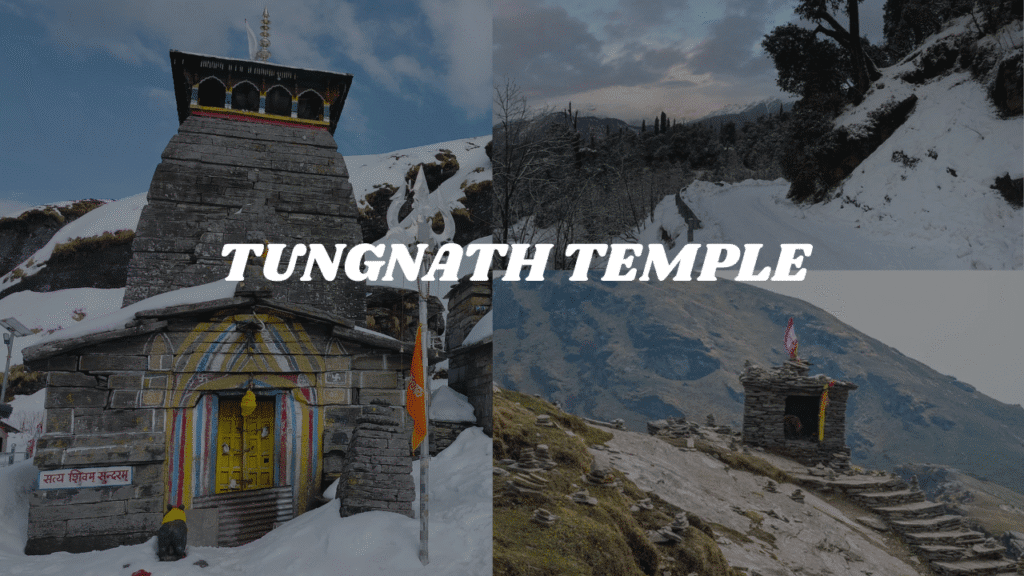
High in the Garhwal Himalayas of Uttarakhand lies a place that feels like it’s touching the sky — Tungnath. Wrapped in mist, surrounded by snow-covered peaks, and echoing with the sound of temple bells, Tungnath is not just a destination; it’s an experience of peace, devotion, and nature’s magic.
People call this holy place the highest Shiva temple in the world. It stands proudly at an altitude of about 3,680 meters (12,073 ft). People visit not only for worship but also for the breathtaking trek and the calmness that the mountains bring.
if you have ever dreamed of walking above the clouds, then Tungnath is where that dream comes true.
The Divine History of Tungnath
Tungnath has deep roots in Hindu mythology. According to legends, it is one of the Panch Kedar temples built to honour Lord Shiva. The story says that after the great war of the Mahabharata, the Pandavas wanted to seek forgiveness from Lord Shiva for their sins. But Shiva, unhappy with the destruction, hid from them by taking the form of a bull (Nandi).
When the Pandavas tried to find him, the bull’s body divided into five parts, and each part landed in a different place to form the five Kedar temples. People believe that the arms of Lord Shiva appeared at Tungnath.
That is why Tungnath is not just a temple; it’s a piece of divine mythology resting among the clouds.
Where is Tungnath Located?
Tungnath is located in the Rudraprayag district of Uttarakhand, India. The temple is part of the famous Chopta–Tungnath–Chandrashila trek, one of the most beautiful and easy treks in the Himalayas.
- Nearest town: Chopta (the “Mini Switzerland of India”)
- Distance from Rishikesh: About 200 km
- Nearest railway station: Haridwar or Rishikesh
- Nearest airport: Jolly Grant Airport, Dehradun
From Chopta, the trek to Tungnath is about 3.5 km long and is filled with pine trees, rhododendrons, and stunning mountain views.
The Trek to Tungnath – A Journey Through Heaven
The trek to Tungnath is short but magical. The path is well-paved and suitable for beginners, too. As you climb higher, the air becomes cooler, and the world below starts to fade into clouds.
You will find yourself walking through meadows, forests, and open trails where the mighty Chaukhamba, Nanda Devi, and Trishul peaks look down on you like silent guardians.
Every step feels peaceful. You hear birds instead of horns, the wind instead of noise, and bells instead of phones. That’s the beauty of Tungnath — it forces you to disconnect from the world and reconnect with your soul.
Reaching Chandrashila – The Final Ascent
Most trekkers don’t stop at Tungnath. They continue to Chandrashila Peak, which is about 1.5 km above the Tungnath temple. The climb is a bit steep, but once you reach the top, you’ll witness a 360-degree view of the Himalayas.
From there, you can see Mount Kedarnath, Trishul, and Nanda Devi. Indeed, the view is so majestic that people call it “the window to heaven.”
Standing on Chandrashila, surrounded by golden sunlight and floating clouds, you feel like you’ve crossed the border between earth and sky.
Best Time to Visit Tungnath
The best months to visit Tungnath are April to June and September to November.
During these months, the weather is pleasant, the sky is clear, and you can enjoy the best views.
🌸 Summer (April–June)
Summer is the best time to visit Tungnath Temple. The snow melts, the flowers bloom, and the weather stays calm and clear. It’s perfect for trekking and enjoying mountain views without any obstacles.
🌧️ Monsoon (July–August)
Avoid trekking during the monsoon, as the trail becomes slippery and visibility is low due to rain and fog. If you plan to visit, check weather updates on the Uttarakhand Tourism website.
❄️ Winter (November–March)
In winter, the temple closes due to heavy snowfall. The area turns into a snow paradise for adventure lovers. Those who enjoy snow trekking can still visit nearby areas and witness the frozen beauty of the Himalayas.
Where to Stay in Tungnath
There are no hotels at the temple itself, but you can find cosy stays in Chopta, which is just a few Km below.
You can choose from:
- Homestays (local experience, home-cooked food)
- Camping sites (best for nature lovers)
- Budget lodges and small hotels
Most trekkers prefer to stay overnight in Chopta, enjoy the stars, and begin their trek early in the morning for a peaceful climb.
Local Food and Culture
In Chopta and nearby villages, you’ll find simple yet delicious Garhwali food — rice, dal, roti, and sabzi cooked on wood-fired stoves.
Local people are humble and warm. They welcome every traveller with smiles and stories about the mountains.
If you’re lucky, you might hear folk songs or see small local festivals that celebrate life in the Himalayas.
This connection with locals makes your Tungnath journey more than just a trek — it becomes an emotional experience.
Travel Tips for Tungnath Visitors
Here are some tips to make your trip safe and memorable:
- Start your trek early morning to enjoy clear skies.
- Carry warm clothes even in summer — the temperature drops fast.
- Bring a reusable water bottle; avoid plastic.
- Respect the temple area — no loud music or littering.
- If you visit during the snow, hire a local guide for safety.
Small actions keep the mountains clean and protect the beauty of nature.
Why Tungnath Feels Like Heaven
It’s not just the height that makes Tungnath special. It’s the energy, the peace, and the divine silence around.
When you stand near the temple and see clouds rolling around your feet, you realise why people call it “beyond the clouds.”
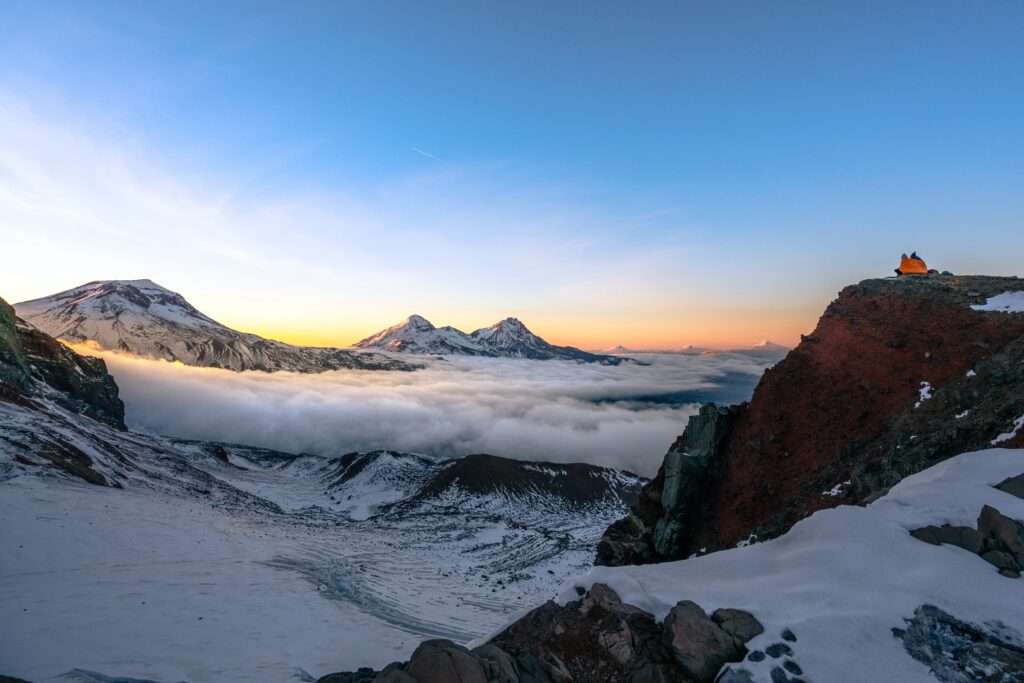
Tungnath teaches us something simple — life doesn’t need to be fast. Sometimes, all you need is silence, fresh air, and a bit of faith.
Read More:- Uttarakhand Guide
The Spiritual Essence of Tungnath
Many travellers visit Tungnath not for religion but for peace. The temple’s ancient stones, the sound of conch shells, and the echoing chants create an atmosphere that calms the heart.
It’s a reminder that spirituality doesn’t always need temples; sometimes, mountains themselves become temples.
When you bow before Lord Shiva here, it feels like nature itself is blessing you.
Conclusion
Tungnath is more than a trek, more than a destination — it’s a feeling of being beyond the ordinary world. It’s a place where clouds kiss your feet, faith fills your heart, and the mountains whisper stories of peace.
Whether you’re a traveller, trekker, or devotee, Tungnath welcomes you with open arms and silent skies. Once you visit, you’ll carry a part of its magic forever.
FAQ
Ans. Tungnath Temple is located in the Rudraprayag district of Uttarakhand, India. It lies on the route from Chopta to Chandrashila and is part of the famous Panch Kedar temples.
Ans. Tungnath is known as the highest Shiva temple in the world. It is believed to be more than 1,000 years old and is one of the sacred Panch Kedar temples mentioned in Hindu mythology.
Ans. The Tungnath trek is considered to be of moderate difficulty. It is about 3.5 km long from Chopta and can be completed in 2–3 hours, even by beginners.
Ans. The best time to visit is from April to June and September to November. During these months, the weather is clear, and the trek offers stunning views of the Himalayas.
Ans. No, the Tungnath Temple remains closed during winter (November to March) due to heavy snowfall. As a result, the deity is moved to the Makkumath Temple in lower Uttarakhand. Therefore, devotees visit that temple during the colder months.