Kedarnath Dham

Introduction
The abode of Lord Shiva is one of India’s most sacred pilgrimage sites. Nestled serenely in the lofty Himalayan range of Uttarakhand, it attracts countless devotees each year. The temple is surrounded by snow-capped mountains, fresh air, and a calming silence. Located on the banks of the Mandakini River, this ancient temple possesses a powerful presence that brings devotion and hope to every visitor. People believe that Lord Shiva himself resides here and blesses all who approach the temple with faith. The long trek, cool breezes, and natural beauty make the journey unforgettable. Many visitors say that Kedarnath transforms their lives and fills their hearts with peace and devotion.
History and Mythological Importance
Kedarnath Dham has deep roots in Indian mythology. It is believed that after the Mahabharata war, the Pandavas came to this place to seek forgiveness from Lord Shiva. According to legend, Lord Shiva appeared in the form of a bull and later disappeared into the earth. The bull’s hump remained in the earth, becoming the Kedarnath Temple. This is why this sacred pilgrimage site is one of the most important sites in Hindu mythology.
The temple was renovated in the eighth century by Adi Shankaracharya, who worked to revive Hinduism throughout India. Kedarnath is the first of the five Panch Kedar temples and one of the 12 Jyotirlingas of Lord Shiva. This is why pilgrims believe that visiting Kedarnath brings blessings, protection, and absolution for past sins.
Architectural Beauty of Kedarnath Temple
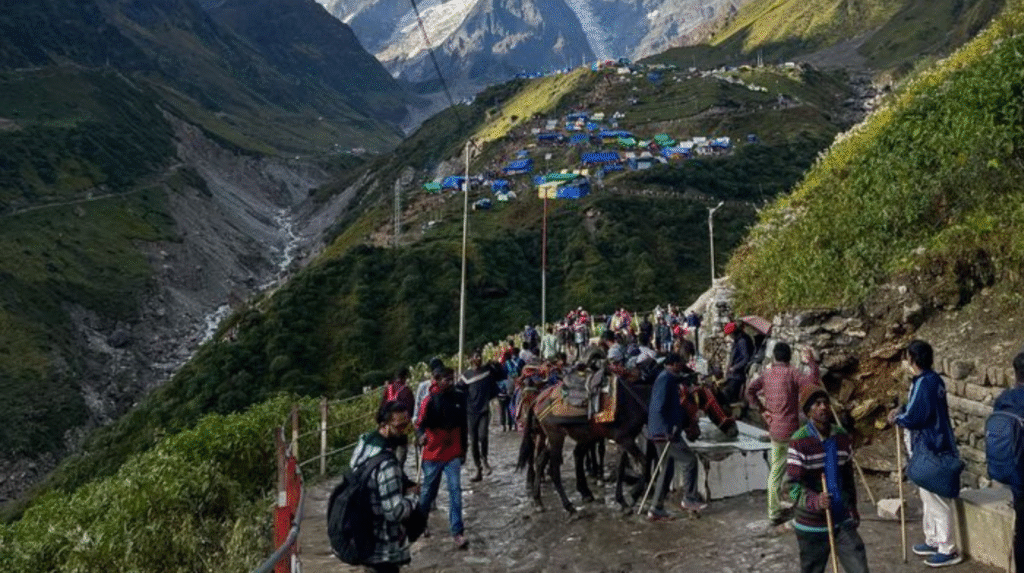
The Kedarnath Temple is located at an altitude of approximately 3,580 meters. The structure is made of large, interlocking grey stone slabs. Its construction style is simple yet strong enough to withstand extreme weather. The main temple features a high spire and a sanctum sanctorum that houses the sacred Shivalinga. At the entrance, a statue of Nandi, Lord Shiva’s vehicle, stands guard. Over the centuries, the temple has faced many floods and storms. Yet, it has always remained safe and strong. Moreover, the peaceful surroundings and ancient architecture create a divine atmosphere, making visitors feel as if they are stepping into the home of Lord Shiva.
Religious Importance and Spiritual Belief
Kedarnath Dham is one of the most revered temples in India. It is included in the famous Char Dham Yatra of Uttarakhand. Thousands of devotees walk long distances to reach the temple and worship Lord Shiva. Many believe that visiting this sacred place brings peace and salvation to the soul. Daily rituals and chanting of mantras inside the temple fill the surrounding atmosphere with spiritual energy. The Shivalinga at Kedarnath is considered to be Swayambhu, meaning it appeared on its own. The positive energy and divine atmosphere make it a must-see pilgrimage site for every spiritual seeker.
How to Reach Kedarnath Dham Easily
The Kedarnath Jyotirlinga Temple in Uttarakhand can be reached by various means. The motorable road ends at Gaurikund, and a 16 km trek begins from there. Pilgrims can reach the temple on foot, by hiring a mule, or by taking a palanquin. For official travel information and guidance, visit Uttarakhand Tourism. Helicopter services are also available during the off-season, helping travellers above 60 years of age and those with medical conditions.
Best transportation options to go Kedarnath temple:
- Nearest airport: Jolly Grant Airport (Dehradun)
- Nearest railway station: Rishikesh
- Road route: Haridwar → Rishikesh → Rudraprayag → Gaurikund
- Helicopter booking: Online and Offline options are available during the peak season.
Best Time to Visit Kedarnath
The temple opens on Akshaya Tritiya in April or May and closes on Bhai Dooj around November, depending on weather conditions. The winter season sees heavy snowfall, so the temple remains closed during these months. The deity is taken to Ukhimath, where daily worship continues. The best months for darshan are May, June, and September. July and August often experience heavy rains and landslides.
Weather and Climate Guide
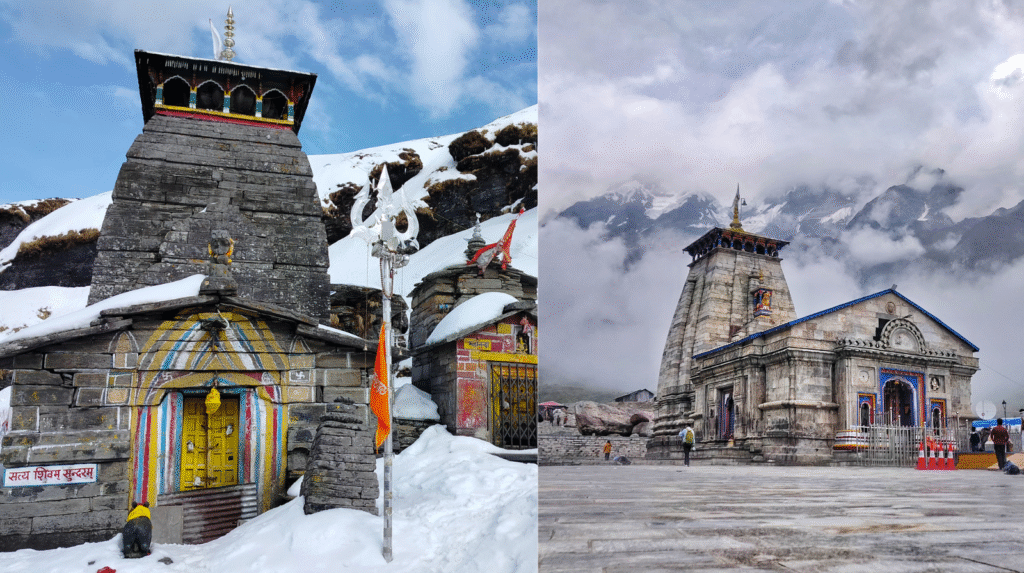
Kedarnath experiences a cool climate year-round. Even in summer, temperatures can drop suddenly. Warm clothing is essential, especially at night. The monsoon season is treacherous due to slippery roads and unpredictable weather. In winter, the entire area is covered in snow, making it unsafe to stay there. Travellers should consult weather forecasts before planning their trip.
Accommodation and Facilities for Pilgrims
Accommodation around Kedarnath has improved over the past few years. Dharamshalas, guesthouses, and budget hotels are available in Gaurikund and Kedar Valley. Government lodges and GMVN guesthouses are also good options. The trekking route offers basic medical facilities, food stalls, cloakrooms, and drinking water. Additionally, pilgrims should carry essential medications, glucose powder, and energy bars to stay safe during the trek.
Safety Measures and Travel Tips
- Always carry warm clothing and rain protection equipment.
- Try to start the trek early in the morning.
- Carry your identification and medical certificate if needed.
- Drink plenty of water and take frequent breaks while walking.
- Senior travellers may prefer helicopter services for a more comfortable journey.
- Avoid trekking during heavy rain.
- Respect the environment – don’t throw away plastic or garbage.
Impact of the 2013 Flood
In 2013, Kedarnath suffered one of the worst natural disasters in history. Heavy rains and flooding destroyed many buildings, roads, and homes. Fortunately, the temple remained safe because a massive rock called Bhim Shila, located behind the temple, blocked the floodwaters. After this tragedy, the government focused on strong disaster management and rebuilding the area. Today, Kedarnath stands stronger than ever and welcomes pilgrims every year with improved facilities.
Nearby Places to Visit
There are several beautiful places around Kedarnath that are worth exploring:
| Place | Distance from Kedarnath | Highlights |
|---|---|---|
| Vasuki Tal | 8 km trek | Glacial lake and mountain view |
| Triyuginarayan Temple | 25 km | Marriage site of Lord Shiva and Parvati |
| Bhairav Temple | 1 km | Protective deity of Kedarnath |
| Guptkashi | 45 km | Ancient temples and scenic beauty |
| Sonprayag | 18 km | Spiritual stopover for pilgrims |
These locations make the journey even more enriching for nature lovers and spiritual travelers.
Local Culture and Community
The people living in this area are warm and welcoming. Local residents promote tourism by running restaurants, lodges, and transportation services. Their culture includes folklore, mountain traditions, and religious festivals.
Environmental Challenges
While tourism brings development, it also impacts the natural environment. Increasing tourist numbers can increase pollution, waste, and pressure on ecosystems. It’s important to promote environmentally friendly practices, such as plastic-free zones, controlled tourism, and proper waste management. The Himalayas are fragile and must be protected for future generations. Sustainable travel and responsible behaviour can preserve the sanctity of Kedarnath.
Spiritual Essence of Kedarnath Dham
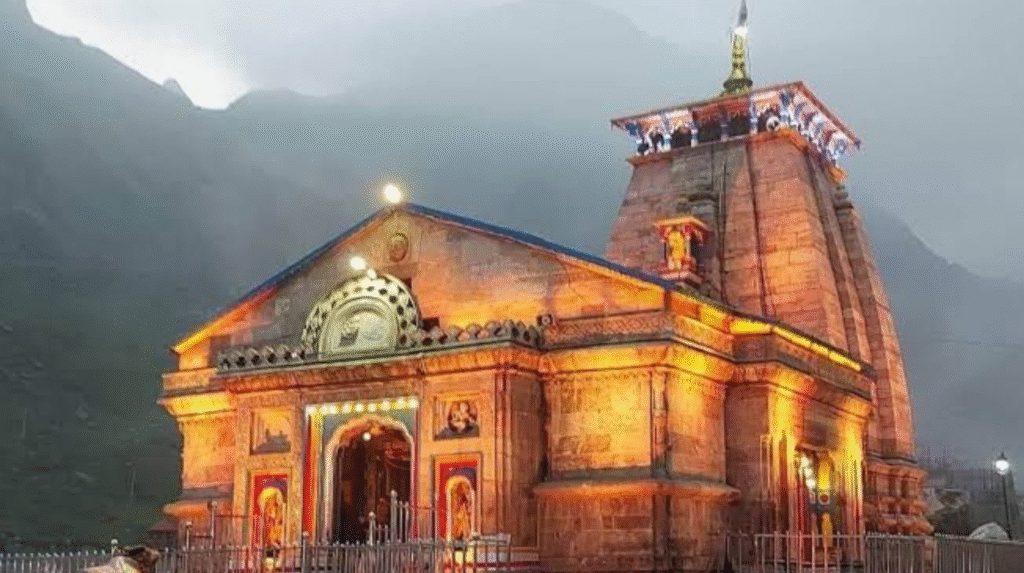
Kedarnath Dham: The abode of Lord Shiva is not just a destination—it’s a journey of faith and self-realisation. Walking the hilly paths, one feels as if one has come one step closer to divinity. The sound of temple bells, sacred chants, and cool breezes fills the surrounding atmosphere with a spiritual rhythm. Every visitor leaves the temple with a sense of gratitude and inner strength. For many devotees, Kedarnath is a lifelong dream—a place where nature and devotion meet in perfect harmony.
Visiting Kedarnath is like opening the door to peace. It teaches patience, courage, and faith. The sacred land of Lord Shiva reminds us that faith can overcome any obstacle.
Read More: Badrinath Dham
Conclusion
The Kedarnath Jyotirlinga Temple in Uttarakhand is one of the most sacred and inspiring sites on Earth. With its majestic mountains, ancient history, and powerful spiritual presence, it invites every traveller to experience divine energy. The journey may be difficult, but its rewards are truly priceless. In fact, whether you are a pilgrim, a traveller, or a seeker of peace, Kedarnath Dham will leave a lasting impression on your heart.
This sacred temple truly deserves the title — Kedarnath Dham: The Abode of Lord Shiva.
FAQ
Ans. Kedarnath Dham is located in the Garhwal Himalayas in Uttarakhand, India. It is surrounded by snow-capped peaks and the Mandakini River.
Ans. Anyone with good health can visit. Pilgrims, trekkers, and spiritual seekers commonly visit. senior or sick travellers can use helicopter services.
Ans. The ideal time is May to June and September to October, when the weather is pleasant and the roads are accessible.
Ans. Pilgrims can reach Gaurikund by road and then trek approximately 16 km to the temple. Helicopter services are available from nearby towns for convenience.
Ans. Essentials include water, warm clothing, comfortable trekking shoes, energy bars, glucose powder, and any necessary medications.
Woow what a article it’s a very informative
Oh really thankyou brother it’s my pleasure 🙏 ❤️