Kafal Fruit Season in Uttarakhand – Complete Information & Benefits
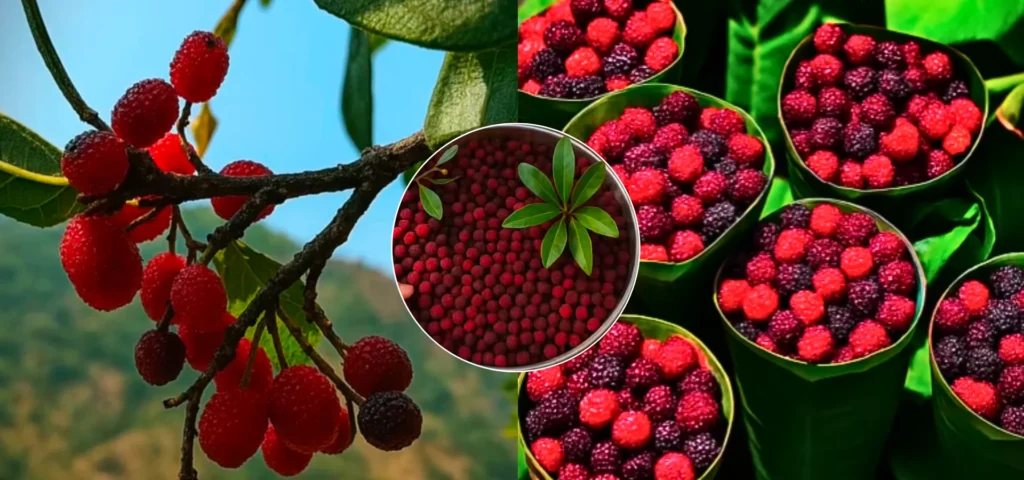
As summer arrives in the beautiful valleys of Uttarakhand, a unique fragrance wafts through the air. This fragrance is that of the ‘Kafal‘. If you’re planning a trip to Devbhoomi, it’s crucial to learn about Kafal Season Uttarakhand. Kafal (scientific name: Myrica esculenta) isn’t just a fruit, it’s a priceless gem of the Himalayas, available only for a few weeks each year.
In this article, we will talk in detail about the Kafal Season in Uttarakhand, its health benefits, and the heart-touching stories associated with it.
Kafal Season Uttarakhand
Kafal is awaited year-round because it does not grow on farmland, but grows naturally in the wild.
- Early Season: Kafal season in Uttarakhand typically begins in the last week of April. At this time, the fruit is slightly sour, or rather, green.
- Peak Time (The Best Time): The best time is between May and June. During this time, the Kafal fully ripens, turning a deep red and juicy color.
- End of the Season: As soon as the first monsoon rains fall on the mountains in late June, the Kafal season in Uttarakhand ends. As soon as rain water falls, this crop starts getting spoiled.
Where can you find Kafal in Uttarakhand?
Kafal doesn’t grow everywhere. It’s found primarily in cold areas at altitudes of 1,500 to 2,100 meters.
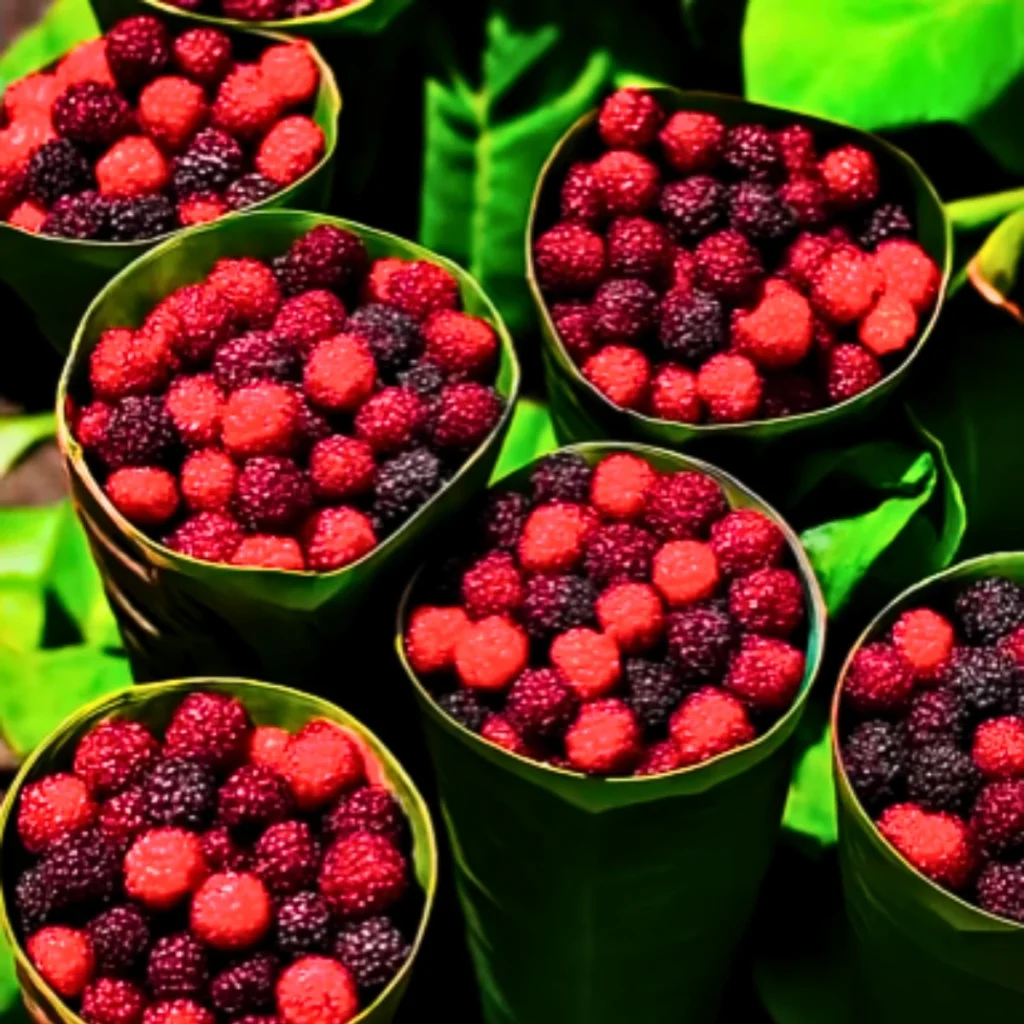
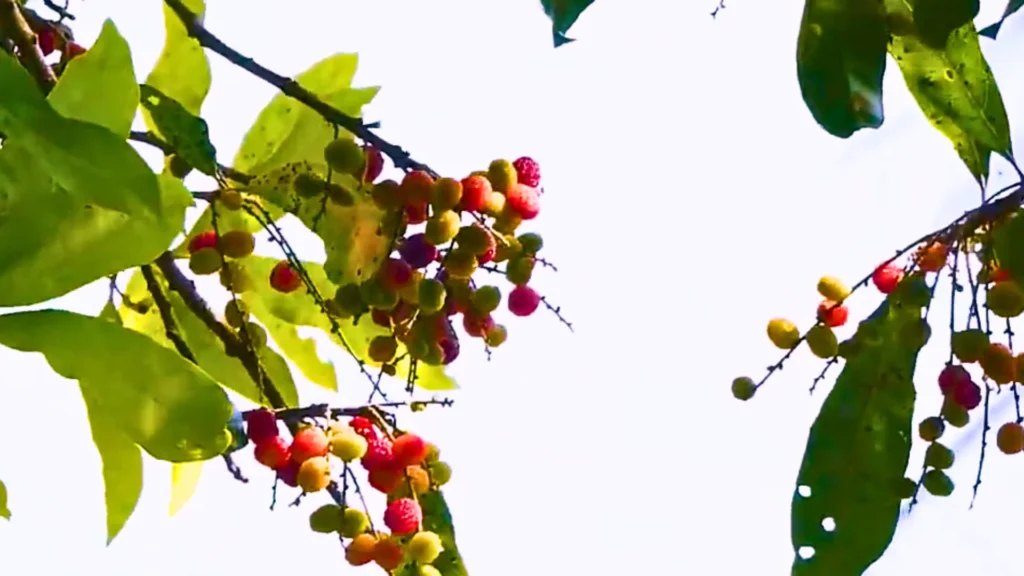
- Kumaon Region: Kafal is abundant in Nainital, Almora, Ranikhet, Mukteshwar, and Pithoragarh.
- Garhwal Region: You’ll find plenty of Kafal in the high altitude areas of Chamoli, Pauri, Tehri, and Mussoorie, and you’ll also find people selling Kafal on the roadside.
Amazing Health Benefits of Kafal Fruit
Kafal is considered a ‘Aushadhi‘ (medicine) in Ayurveda. Eating it during Kafal season in Uttarakhand is no less than a boon for your health:
| Benefit | Description |
|---|---|
| Immunity Booster | Kafal is rich in Vitamin C and antioxidants. It strengthens your immune system and helps the body fight free radicals. |
| Excellent for Digestion | In the mountains, it is called “pet ki dawa”. It contains fiber that relieves constipation and acidity. Its bark powder has been used for stomach pain for centuries. |
| Mental Stress & Depression | Kafal contains natural compounds that cool the brain. Eating it in summer reduces stress and refreshes mood. |
| Heart Health & Sugar Control | Kafal has low glycemic index, safe for diabetics. Its flavonoids help keep heart arteries clean. |
The True “Pahari” Way to Eat Kafal
If you want to enjoy Kafal to its fullest, don’t eat it without salt.
- Pishi Loon (Pahari Namak): Made by grinding green coriander, green chillies, garlic, and salt on a grinding stone, this salt when sprinkled on Kafal, and eaten with a little mustard oil, enhances the taste 100 times.
- Dona Style: Locals sitting on the roadside serve it in a leaf bowl, which gives it a very authentic feel.
A Painful Emotional Folklore
Kafal is not just a fruit, it’s a feeling. Every child in Uttarakhand has heard this story from their grandmother or great-grandmother:
Once upon a time, a poor mother toiled all day, picking a basket of kafals. She told her daughter, “I’m going to the fields. Don’t eat these kafals until I return.”
The hot sun evaporated the water from the kafals, and they shriveled slightly. When the mother returned home, she discovered her daughter had eaten them. In a rage, she slapped her daughter, and the innocent daughter died on the spot.
In the evening, when the weather cooled, the kafal blossoms bloomed again, filling the basket. The mother realized her mistake and died of grief. It is said that this same daughter still sings like a bird:
“Kafal pakko main ni chakho” (The kafals are ripe, not me).
Learn More:- Complete Travel Guide to India’s Devbhoomi (Land of the Gods)
Kafal and Uttarakhand’s Economy
Kafal season is a major source of employment for the local people of Uttarakhand.
| Income Source | Price Trend 2026 | Market Reach |
|---|---|---|
| Villagers wake up at 4 a.m. to venture into deep forests and collect juicy Kafal, which becomes an important seasonal income source. | Due to high demand in 2026, Kafal is expected to sell for around ₹500–₹700 per kg in local and tourist markets. | Kafal juice (squash) and jam are now produced and supplied through online platforms to major cities. |
Climate Change: A Growing Threat to Kafal
Sadly, the Kafal season is becoming shorter due to climate change.
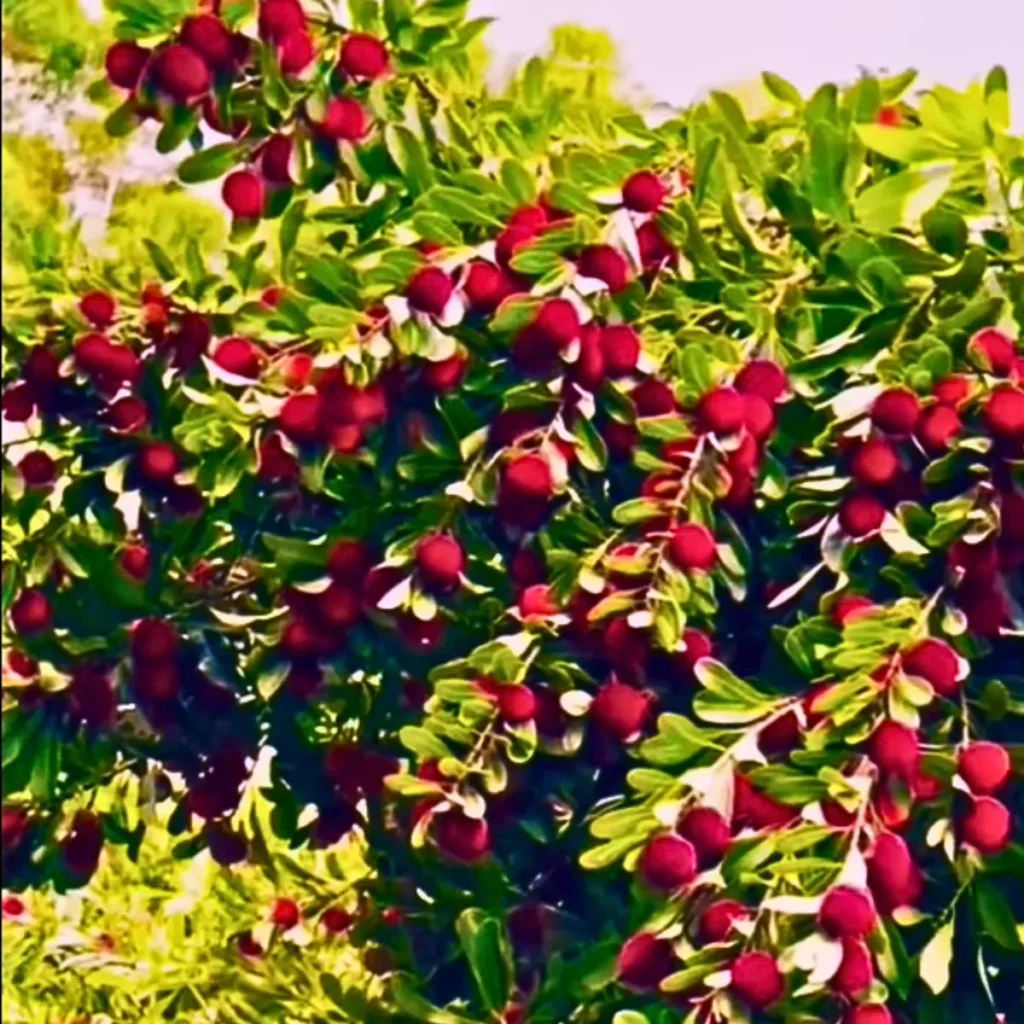
- Forest Fires: Summer fires destroy Kafal trees.
- Less Rain: Less snow and rain in winters causes Kafal trees to shrink in size.
- Urbanization: Wild Kafal trees are being cut down to make way for roads and buildings.
Some important points for tourists
If you’re visiting Uttarakhand this season:
- Freshness: Always buy bright red Kafal. If the fruit appears sticky, it may be old.
- Storage: Kafal cannot be stored for more than 24 hours. It rots very quickly, making it difficult to pack and transport to Delhi or a distant city.
- Pahadi Emotion: Whenever buying Kafal from a local, pay a little extra, as they laboriously pluck it from thorn-laden trees.
- Do not break the branches: If you see a Kafal tree and you feel like picking the Kafal yourself, then be careful not to break the branches of the tree.
Conclusion: A Priceless Experience
Kafal Season Uttarakhand 2026 is an opportunity you shouldn’t miss. This season shows you that true flavor lies hidden not in any farm, but in the lap of nature. A trip to Uttarakhand is complete only when your mouth is red with the juice of Kafal and your tongue is tingled with the taste of mountain salt.
So get ready, head to Devbhoomi this May-June and enjoy the world’s most delicious wild berry!
FAQ’s
Ans. Kafal is a perishable fruit, so it’s difficult to source fresh. However, some Uttarakhand websites deliver Kafal squash and jam throughout India.
Ans. The Kafal tree is a medium-sized evergreen tree that remains green year-round.
Ans: Yes, it can. Kafal is low in calories and high in fibre, which keeps you full for longer and helps in managing weight naturally.consuming any fruit in large quantities.
Ans. It boosts immunity and is a panacea for digestive problems. It is rich in antioxidants.