Table of Content
Introduction
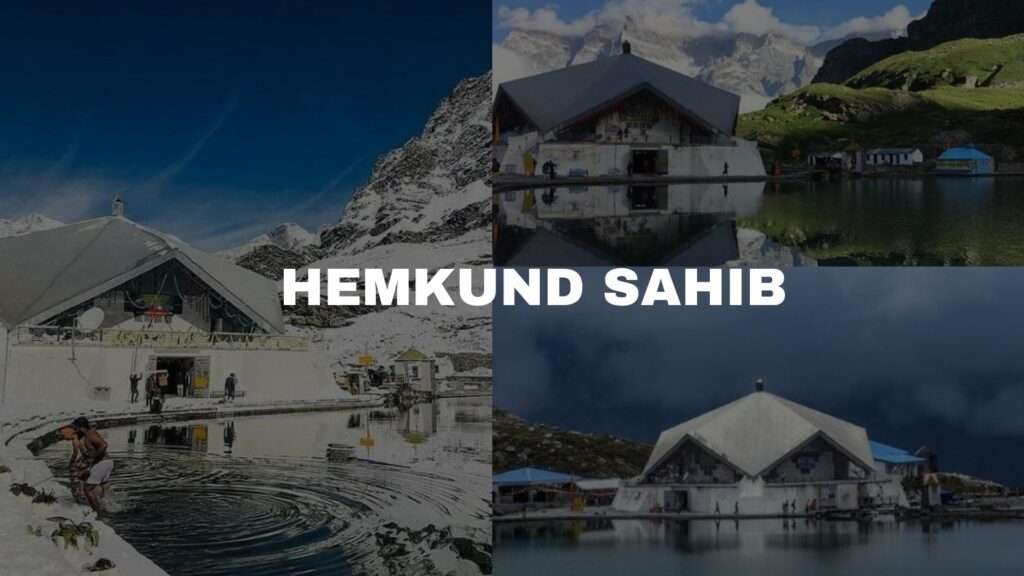
Hemkund Sahib is one of the most peaceful and divine places in the Indian Himalayas. The calm environment, snow-filled mountains, and crystal-clear lake make it a spiritual paradise for visitors. This sacred destination carries a deep connection to Sikh history and attracts thousands of pilgrims every year. Moreover, the long and beautiful trek adds a sense of adventure to the journey. To begin with, the natural beauty of Hemkund Sahib is unmatched and fills visitors with a sense of comfort. In addition, the soft sound of the cold breeze and the lake’s stillness help people find mental clarity. Overall, Hemkund Sahib is a perfect escape for anyone who wishes to explore spirituality, nature, and peace at the same time. The journey may feel challenging, but every step brings you closer to an unforgettable experience.
About Hemkund Sahib
Hemkund Sahib is a popular Sikh pilgrimage site located in the Chamoli district of Uttarakhand. It sits at a height of around 4,632 meters above sea level, making it one of the highest Gurudwaras in the world. The place is also known as “Sri Hemkunt Sahib” and attracts visitors from India and abroad. The name “Hemkund” means “Lake of Snow,” which perfectly describes the calm and cold lake situated right beside the Gurudwara.
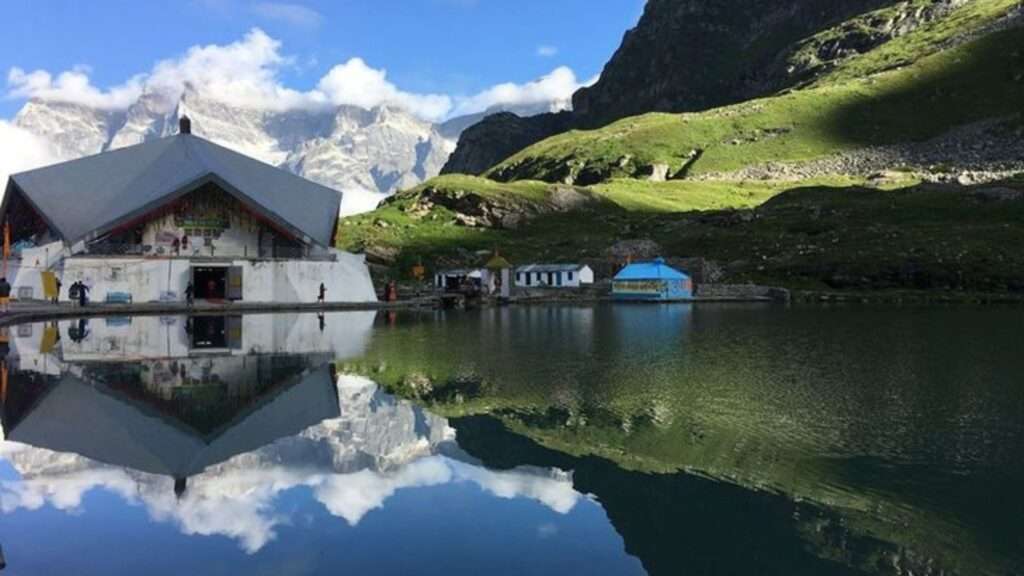
The area is surrounded by seven tall mountain peaks, giving it a dramatic and stunning landscape. Moreover, the peaceful atmosphere makes it a perfect place for meditation and reflection. Many people visit Hemkund Sahib not only for religious reasons but also to experience its natural charm. The fresh air, clean environment, and beautiful views make it a dream destination for nature lovers.
History and Background
The history of Hemkund Sahib is closely connected to the tenth Sikh leader, Gobind Singh Ji. According to Sikh belief, he meditated at this sacred spot in one of his earlier lives. This place is also mentioned in the Dasam Granth, where it is described as a “Tapasthan,” meaning a place for deep meditation. Therefore, Hemkund Sahib holds great importance in Sikh tradition.
However, the modern location of Hemkund Sahib was not known until the early 20th century. A Sikh soldier and scholar, Sant Sohan Singh Ji, discovered the exact site with the help of local villagers. Later, Pandit Tara Singh Narotam also contributed to the research and confirmation of the spot. With the combined efforts of followers and volunteers, the Gurudwara was built in the 1930s.
Since then, Hemkund Sahib has become a major pilgrimage destination. It remains open only during the summer months because of heavy snowfall in winter.
Geography and Natural Surroundings
Hemkund Sahib is located in the Garhwal Himalayas. The area is known for its pure air, alpine forests, glaciers, and colorful flowers. Moreover, the path leading to the Gurudwara passes through one of the most beautiful regions in Uttarakhand.
Key Natural Features
- Elevation: 4,632 meters
- Lake Type: Glacial lake
- Nearby Places: Ghangaria, Govindghat
- Region: Chamoli district, Uttarakhand
- Climate: Extremely cold, even in summer
- Landscape: Mountains, waterfalls, valleys, forests
The combination of cold winds, fresh water, and greenery creates a magical environment that visitors never forget.
How to Reach
Reaching Hemkund Sahib involves both road travel and trekking. Therefore, planning is important before starting the journey.
1. By Road
The road journey begins from Rishikesh, Haridwar, or Dehradun. Travelers must reach Govindghat, which is the main base camp.
Distances:
- Rishikesh to Govindghat: 270 km
- Haridwar to Govindghat: 290 km
- Dehradun to Govindghat: 300 km
The route is scenic and passes through rivers, forests, and small towns. Moreover, buses, shared taxis, and private vehicles are available.
2. Govindghat to Ghangaria Trek
The trek from Govindghat to Ghangaria is 13 km. The path is well-maintained, and food stalls are available throughout the route. The trek includes bridges, waterfalls, and beautiful river views. In addition, ponies and helicopter services are available for visitors who need support.
3. Ghangaria to Hemkund Sahib Trek
From Ghangaria, the final 6 km trek begins. This part is steep and tiring due to the high altitude. However, the views of mountains and wildflowers make the journey enjoyable. Pilgrims walk slowly to adjust to the low oxygen level.
Pro Tip: Start early in the morning to avoid afternoon clouds and cold winds.
Attractions Around Hemkund Sahib
1. Hemkund Lake
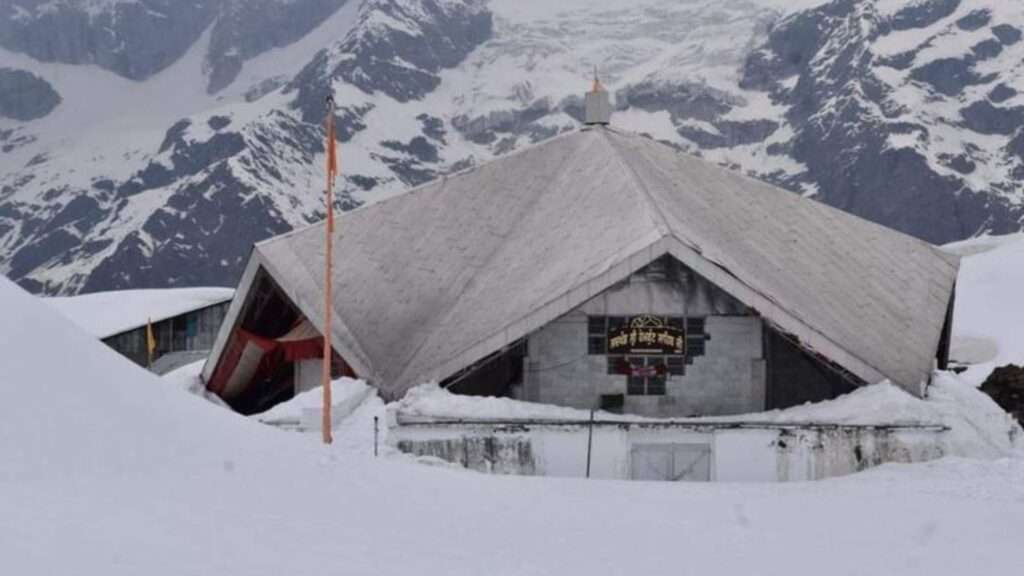
The glacial lake beside the Gurudwara is calm and crystal clear. The water remains freezing cold throughout the year. Moreover, the lake reflects the snow-covered mountains, creating a stunning view.
2. Gurudwara Hemkund Sahib
The modern hexagonal Gurudwara structure blends perfectly with the surroundings. Visitors experience deep peace inside the holy building. In addition, volunteers offer tea and simple langar to help pilgrims stay warm.
3. Valley of Flowers
Located near Ghangaria, the Valley of Flowers is a UNESCO World Heritage Site. It is known for more than 500 species of alpine flowers. Moreover, the valley turns colorful during July and August.
4. Waterfalls and Forest Trails
The trek includes several waterfalls and wooden bridges. These natural spots offer great places to rest and enjoy mountain views.
Importance and Spiritual Value
Hemkund Sahib holds an important place in Sikhism. It is believed that Gobind Singh Ji performed meditation here. Therefore, pilgrims visit to strengthen their spiritual connection and find peace. Many visitors say they feel positive energy and mental clarity after visiting Hemkund Sahib.
Moreover, the silence of the mountains adds to the spiritual experience. The cold air and the calm lake make visitors feel close to nature and divinity.
Best Time to Visit Hemkund Sahib
Hemkund Sahib remains open only from June to September.
Monthly Conditions
- June: Snow melts, comfortable weather
- July: Peak season, colorful flowers
- August: Valley of Flowers fully blooming
- September: Clear skies and fewer crowds
After September, all routes close because of snowfall.
Weather Conditions in Hemkund Sahib
The weather in Hemkund Sahib changes quickly. Cold winds, sudden rain, and fog are common. Even on sunny days, the temperature stays low. Therefore, warm clothes are necessary.
Food and Staying Options
Govindghat Stay
Govindghat has hotels, lodges, and small restaurants. Visitors can stay here before starting the trek.
Ghangaria Stay
Ghangaria has basic lodges, tents, and Gurudwara accommodation. Moreover, meals, tea, and blankets are available.
Read More: Uttarakhand Complete Travel Guide
Travel Tips for a Safe and Comfortable Journey
Important Tips
- Start the trek early morning.
- Carry warm clothes, gloves, and jackets.
- Drink water often to avoid altitude sickness.
- Walk slowly as oxygen levels are low.
- Keep glucose, chocolates, and snacks.
- Wear strong trekking shoes.
- Avoid trekking during heavy rain.
- Carry basic first-aid items.
Outbound Link
For more information on Sikh pilgrimage sites, visit the official Incredible India tourism website.
Conclusion
Hemkund Sahib is one of the most peaceful and divine places in the Indian Himalayas. The calm environment, snow-filled mountains, and crystal-clear lake make it a spiritual paradise for visitors. This sacred destination carries a deep connection to Sikh history and attracts thousands of pilgrims every year. Hemkund Sahib is a peaceful and inspiring destination that brings nature and spirituality together. Moreover, the calm lake and snow-covered mountains create a refreshing experience for every visitor. In addition, the trek helps you feel more connected to the surroundings and to your own thoughts. Overall, Hemkund Sahib offers a journey that is both meaningful and memorable. Therefore, whether you visit for faith or adventure, this holy place will always leave a positive impact on your mind.
FAQs
Ans. Hemkund Sahib is located at an altitude of 4,632 meters.
Ans. The trek is moderate to difficult because of steep paths and high altitude.
Ans. It opens from June to September every year.
Ans. Yes, it is very close and can be visited from Ghangaria.
Ans. Yes, but they must be healthy and prepared for long walking distances.