Table Of Content
Introduction
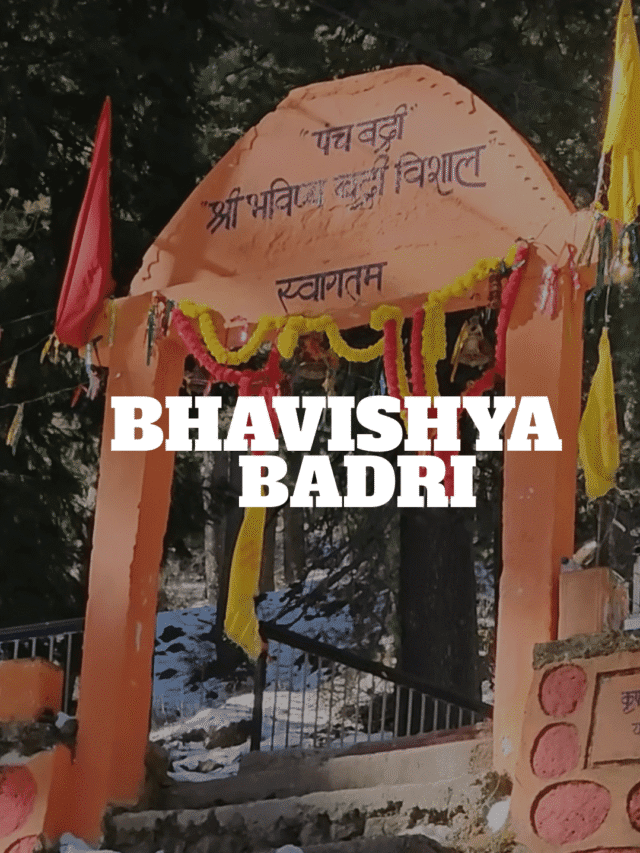
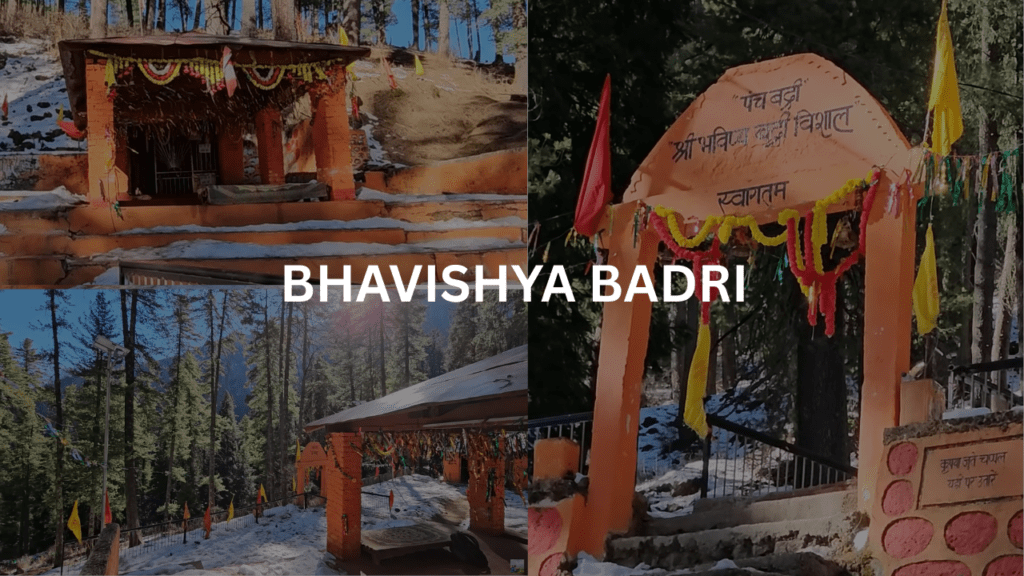
Bhavishya Badri Temple is one of the most mysterious and spiritually powerful temples in Uttarakhand. Many devotees believe that this temple will become the future abode of Lord Badrinath, where they will worship Lord Vishnu when the current Badrinath temple becomes inaccessible. Therefore, this sacred site holds profound significance in Hindu beliefs and ancient scriptures.
Furthermore, Bhavishya Badri Temple is part of the famous Sapta Badri circuit, which comprises seven sacred temples dedicated to Lord Vishnu. Located in a remote Himalayan forest near Joshimath, this temple offers peace, tranquility, and a strong spiritual energy. Many devotees visit Bhavishya Badri Temple seeking blessings and a profound spiritual experience.
What is Bhavishya Badri Temple?
Bhavishya Badri Temple is a sacred Vishnu temple dedicated to Lord Narayana. The word Bhavishya means future, which directly reflects the significance of the temple. According to Hindu beliefs, this temple will become the main Badrinath in the future.
Moreover, Bhavishya Badri is one of the Sapta Badri sites, which are the seven sacred Badri temples of Uttarakhand. These temples together complete the spiritual journey of Lord Vishnu in the Himalayas. Unlike crowded temples, Bhavishya Badri remains serene and largely untouched by mass tourism.
History and Background of Bhavishya Badri
The history of Bhavishya Badri Temple dates back several centuries. Many historians and devotees believe that Adi Shankaracharya established this sacred site while reviving several Hindu temples across India.. However, the temple structure remains simple and natural.
According to local beliefs, the idol worshipped here is Swayambhu, meaning self-manifested. Over time, this temple remained hidden in the forests, known only to sages and villagers. As a result, Bhavishya Badri has retained its sanctity and spiritual power.
Mythological and Scriptural Significance
The Bhavishya Badri Temple has deep roots in Hindu scriptures such as the Skanda Purana and the Sanat Kumara Samhita. According to these scriptures, Lord Narayana performed divine pastimes in the Kedarkhand region, manifesting himself in seven forms, known as the Sapta Badri.
Furthermore, it is believed that Sage Agastya Muni worshipped Lord Narayana at this sacred site. Pleased with his devotion, Lord Vishnu declared that when Kali Yuga progresses and reaching Badrinath becomes difficult, devotees will worship him at Bhavishya Badri.
Bhavishya Badri – The Temple That Is Still Under Construction
One of the most unique aspects of the Bhavishya Badri temple is that it is still under construction. Inside the cave-like temple, a sacred stone figure is gradually taking shape. Locals believe this stone represents Lord Vishnu in the Padmasana (lotus) posture.
Interestingly, the stone figure becomes clearer each year. Therefore, devotees believe that the temple is preparing itself for its future role as the successor to Badrinath. No one knows when this transformation will be complete, which adds to the mystique of this temple.
Location and Overview
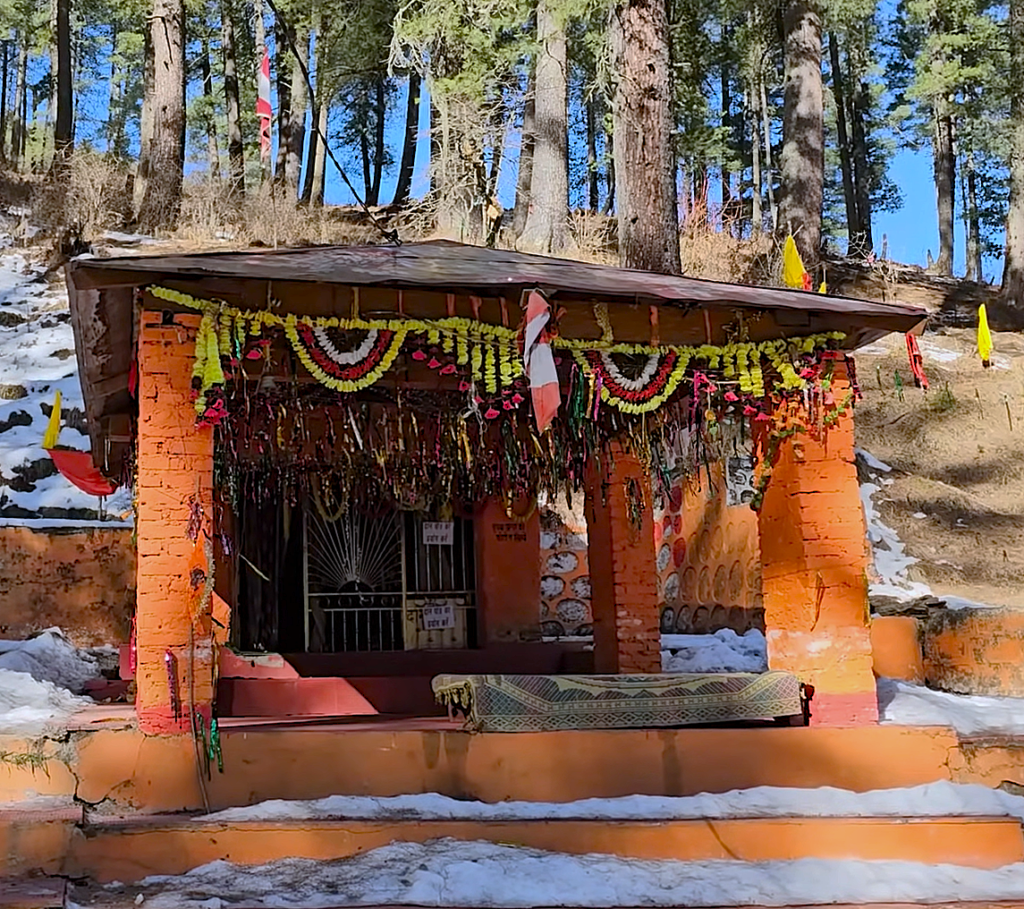
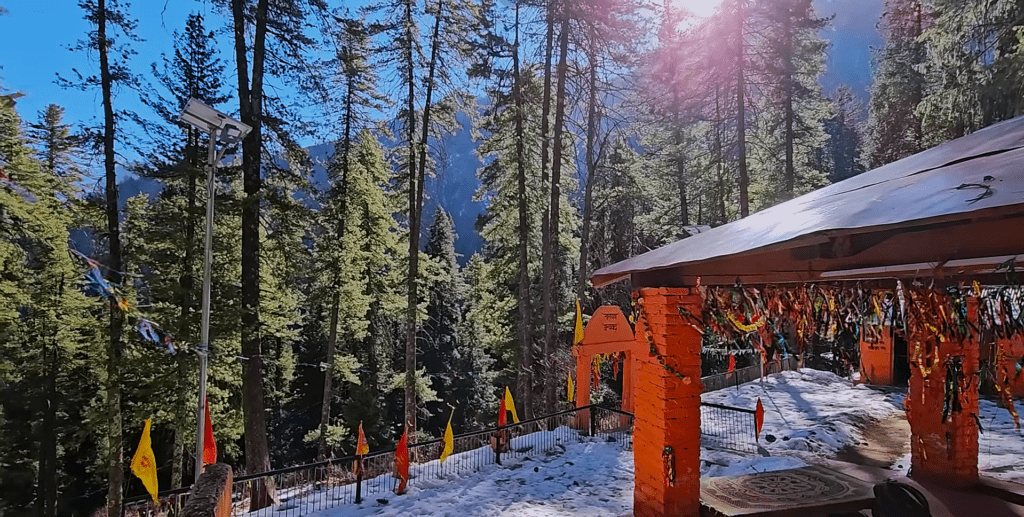
Bhavishya Badri Temple is located near Subhai village, beyond Joshimath, in the Chamoli district of Uttarakhand. The temple is nestled within dense blue pine forests surrounded by the Himalayan mountains.
Overall, the place feels peaceful and secluded. The serenity of nature and the relative lack of crowds make this temple perfect for meditation and spiritual connection.
How to Reach Bhavishya Badri Temple
Reaching Bhavishya Badri requires patience and planning. However, the journey itself is spiritually rewarding.
By Road
Joshimath is the nearest major town. From Joshimath, local trains or shared jeeps take you to Subhai village. After that, a short trek can be undertaken to reach the temple.
By Train
The nearest railway station is Haridwar. From Haridwar, you can travel to Joshimath by road and then proceed to Bhavishya Badri.
By Air
The nearest airport is Dehradun Airport. From there, taxis and buses are available to reach Joshimath.
Trekking Route
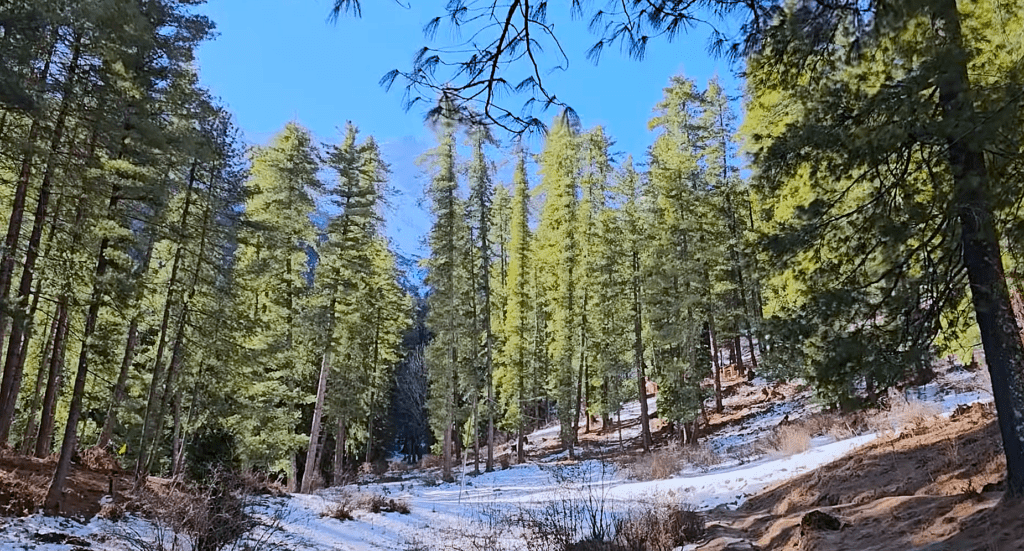
Reaching the temple requires some trekking through the forest. Therefore, basic fitness is essential.
Best Time to Visit Bhavishya Badri
The best time to visit Bhavishya Badri Temple is from May to October. The weather is pleasant during this time and the roads are open.
However, during winter, heavy snowfall occurs, making the area inaccessible. As a result, like the Badrinath Temple, this temple remains closed for about six months.
Temple Timings and Important Information
- Darshan is available only for 6 months.
- Opening Hours: May to October
- Due to its remoteness, there are no fixed daily opening hours.
- Simple prayers are performed by local priests.
Therefore, travelers should confirm the timings before planning their trip.
Architecture and Temple Features
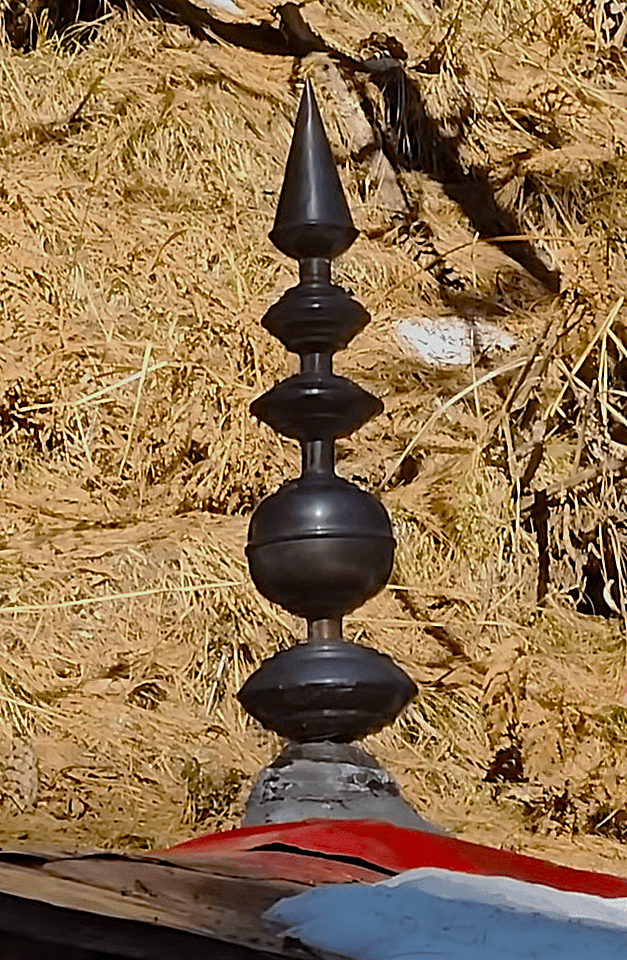
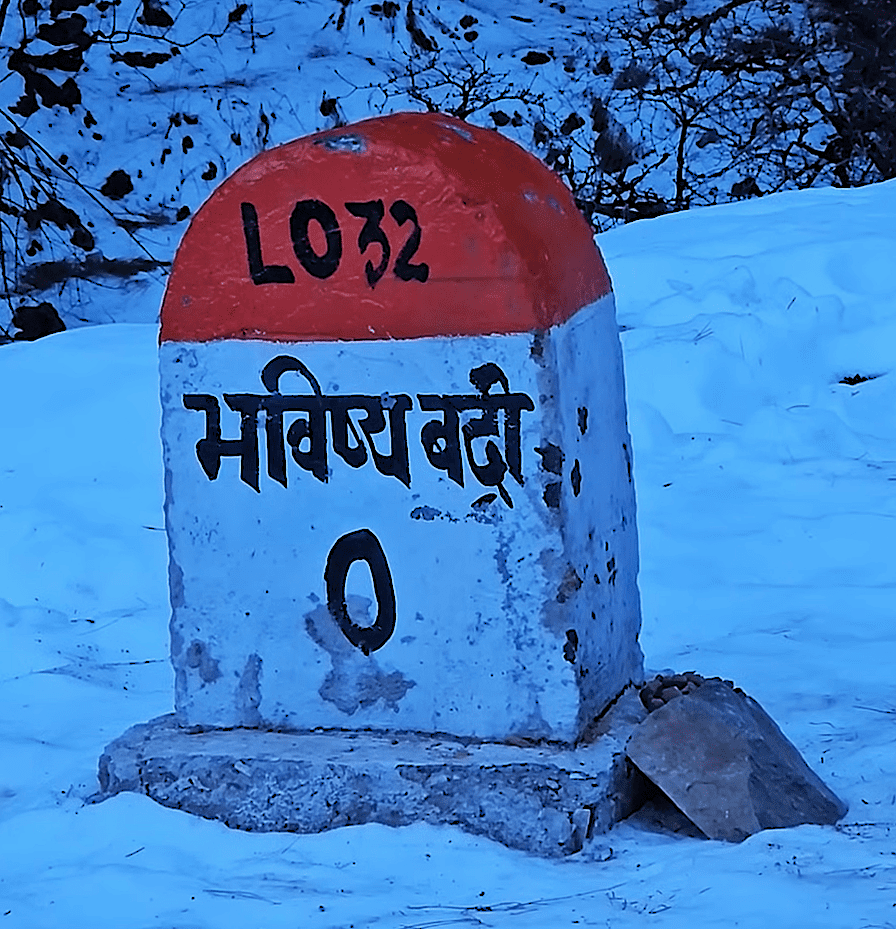
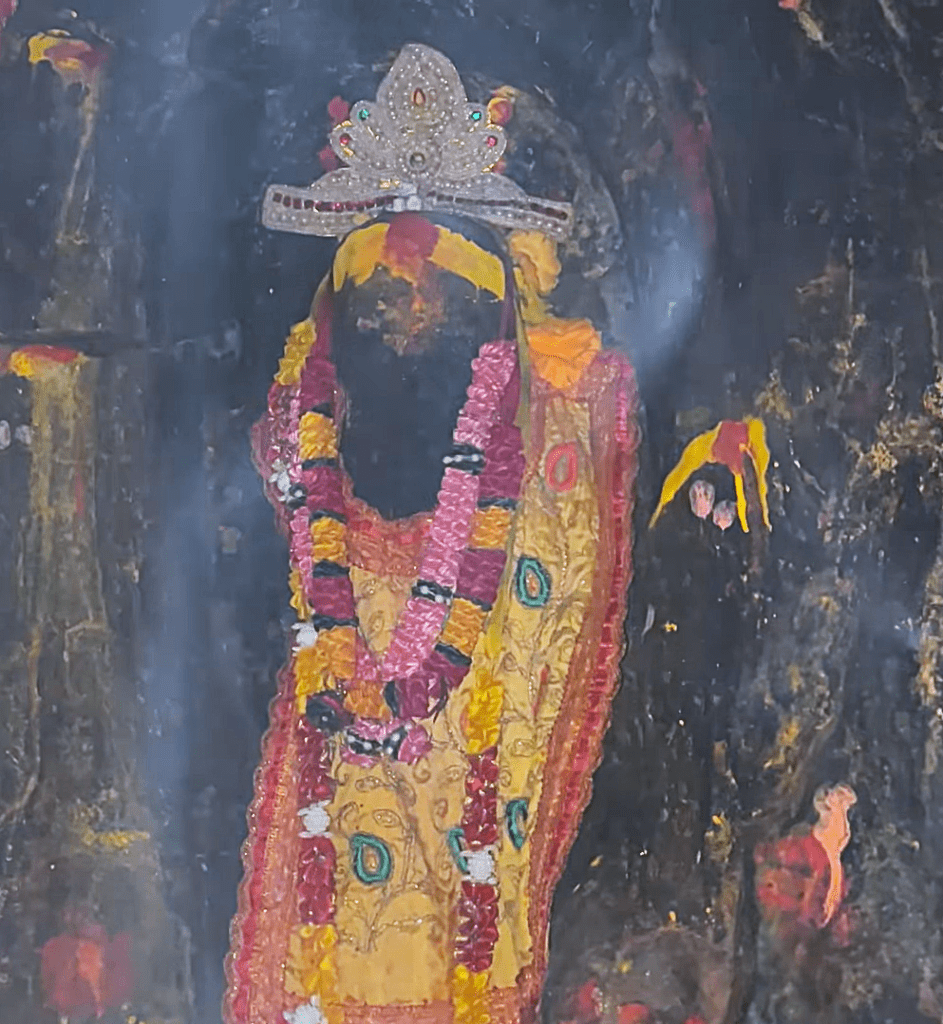
The Bhavishya Badri Temple has a very simple structure. It resembles a natural cave more than a built temple. Inside, a stone idol of Lord Vishnu is worshipped.
Furthermore, there are no elaborate decorations or heavy architecture. This simplicity helps devotees focus more on devotion rather than ostentation.
Spiritual Experience at Bhavishya Badri
Visiting the Bhavishya Badri Temple is a deeply spiritual experience. The tranquility of the forest, the cool mountain air, and the natural surroundings create a meditative atmosphere.
Furthermore, devotees often feel a strong sense of peace and connection with nature. The absence of crowds allows for uninterrupted prayer and meditation.
Things to Do near Bhavishya Badri
- Visit Joshimath Town
- Explore the surrounding forest trails
- Meditate and pray quietly
- Learn about local stories from the villagers
Therefore, this area offers both spiritual and natural experiences.
Travel Tips and Visitor Guidelines
- Wear comfortable trekking shoes
- Carry water and light snacks
- Avoid traveling during heavy rains
- Respect local traditions
- Do not disturb wildlife
Overall, responsible travel ensures a safe and memorable trip.
Accommodation and Food Options
There are no hotels near the temple. However, the following facilities are available in Joshimath:
- Budget Guesthouses
- Simple Lodges
- Basic Vegetarian Food
In addition, villagers sometimes provide food for devotees during their visit to the temple.
Festivals and Special Occasions
Due to its remoteness, there are no major festivals in Bhavishya Badri. However, special prayers are offered on these occasions:
- Temple Opening Day
- Auspicious Dates Associated with Vishnu
These occasions attract dedicated pilgrims.
Conclusion
Bhavishya Badri Temple is a sacred and serene Vishnu temple nestled in the Himalayas of Uttarakhand. This temple is unique because it is believed to be the future abode of Lord Badrinath. Furthermore, its tranquil atmosphere and simple, cave-like structure offer devotees a profound sense of spiritual peace.
Overall, Bhavishya Badri Temple is perfect for those seeking devotion, tranquility, and faith away from the crowds. A visit to this sacred site provides a meaningful spiritual experience and keeps the ancient traditions of Uttarakhand alive.
FAQs
Ans. According to scriptures, when it becomes difficult to reach Badrinath, Lord Vishnu will be worshipped here.
Ans. Yes, it is one of the seven sacred Badri temples.
Ans. The trek is short and easy, but basic fitness is required.
Ans. No, it is only open for six months due to snowfall.
Ans. Yes, beginners can visit with proper planning and guidance.
Ans. Photography is generally prohibited inside the temple.