Badrinath Dham
Introduction
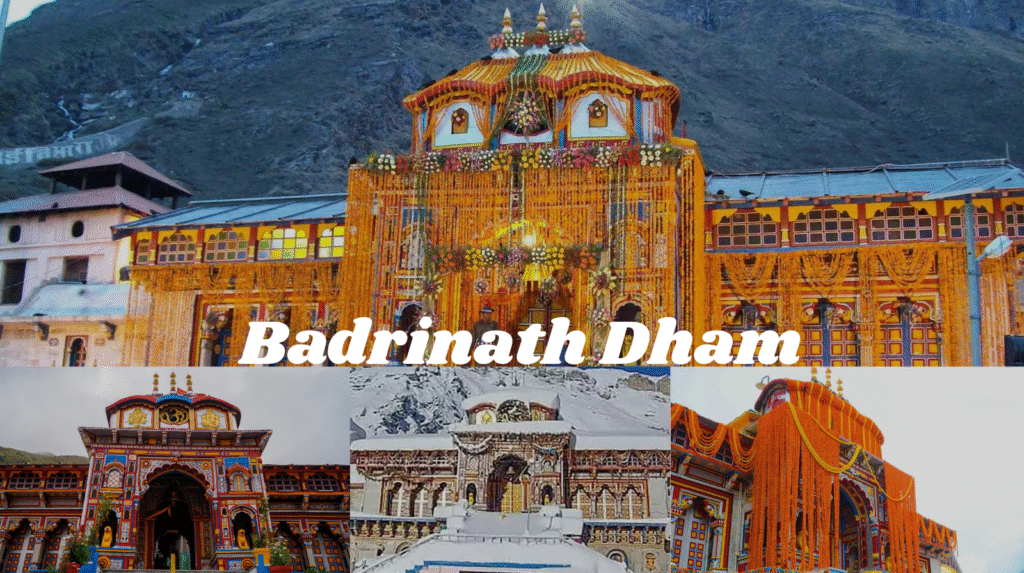
Badrinath Dham is one of the most sacred pilgrimage destinations in India. It is a major part of the famous Char Dham Yatra, which includes Yamunotri, Gangotri, Badrinath and Kedarnath. Dedicated to Lord Vishnu, this holy shrine attracts millions of devotees every year. Badrinath Dham sits beside the Alaknanda River and stands surrounded by snow-covered Himalayan peaks, offering visitors a powerful spiritual atmosphere and stunning natural beauty.
This complete travel guide covers everything you need to know about Badrinath Dham — from its history and opening hours to the best travel routes, nearby attractions, accommodation options, food availability, safety tips, and weather conditions. Additionally, if you are planning a trip, this guide will help you prepare thoroughly for a safe, comfortable, and memorable journey.
History and Significance of Badrinath Dham
Experts believe that Badrinath Temple is over 1,200 years old, and historical records state that Adi Shankaracharya rebuilt it in the 8th century. According to Hindu beliefs, Lord Vishnu meditated deeply at this sacred place. Legend says that Goddess Lakshmi transformed into a Badri tree to protect him from the harsh weather, giving the temple its name — Badrinath.
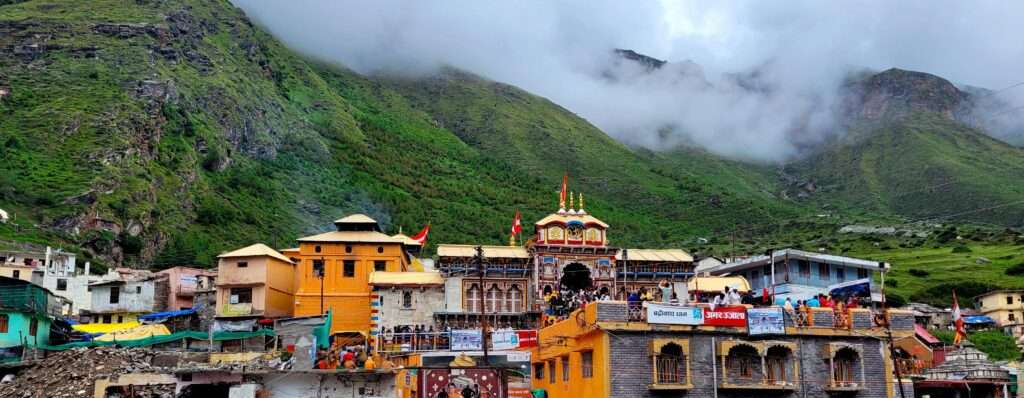
The temple’s significance is also mentioned in ancient texts like the Vishnu Purana and Skanda Purana. Many devotees believe that visiting Badrinath cleanses sins and guides the soul toward salvation (moksha). Because of its profound spiritual value, Badrinath is considered one of the holiest temples in Hinduism.
Best Time to Visit Badrinath Dham
Badrinath Dham stays open for six months because the weather during this period is safe for travel, the roads remain clear, and pilgrims can easily reach the temple without any risk. The climate is pleasant enough for priests and visitors to stay and perform daily rituals. However, the temple closes for the next six months because the region faces extreme winter conditions. Heavy snowfall, freezing temperatures, blocked roads, and the risk of avalanches make it impossible for anyone to live or travel in the area. To ensure the safety of devotees and temple staff, the authorities completely close Badrinath Dham during winter and shift all the rituals to its winter seat in Joshimath.
Best Months to Visit
- May to June: Pleasant weather, clear skies, easy road travel
- September to October: Less crowd, beautiful mountain views, peaceful environment
Avoid These Months
- July to August: Heavy rainfall, landslides, slippery roads
- November to April: Temple remains closed due to snowfall
During the winter months, authorities close the Badrinath Temple and ceremonially move the idol of Lord Badri to Joshimath, where priests continue all rituals and prayers without interruption.
Weather in Badrinath
Badrinath sits at a high altitude, so its weather changes very quickly. Cool winds blow throughout the day, and the temperature often stays low even under the sun. Sudden shifts, such as cloud cover, light rain, or a rapid drop in temperature, occur frequently, making the climate quite unpredictable for visitors.
- Summer (May–June): 10°C to 20°C — Best time for darshan and sightseeing
- Monsoon (July–August): Heavy rainfall, frequent roadblocks — Not safe
- Autumn (September–October): 5°C to 15°C — Very calm and beautiful
- Winter (November–April): -10°C to 0°C — Heavy snowfall, temple closed
How to Reach Badrinath Dham
Badrinath Dham can be reached easily, but the journey usually takes a few steps. Travellers first reach major cities like Haridwar, Rishikesh, or Dehradun, as the town has no direct airport or railway station. From there, the road winds through the mountains, offering stunning views along the way. The drive includes steep turns and narrow paths, so it takes some time. However, the authorities maintain the roads well during the open season, which keeps the journey safe and manageable for pilgrims.
By Road
Road travel to Badrinath is the most common and scenic option. You can reach nearby hubs and then take a taxi or bus.
Major road routes:
- Haridwar → Rishikesh → Srinagar → Rudraprayag → Karnaprayag → Joshimath → Badrinath
- Dehradun → Rishikesh → Chamoli → Joshimath → Badrinath
Government buses, private buses, shared taxis, and jeeps are available during the temple season.
By Train
Nearest railway stations:
- Haridwar Railway Station (320 km away)
- Rishikesh Railway Station (295 km away)
From there, taxis and buses are easily available.
By Air
Nearest airport:
- Jolly Grant Airport, Dehradun (310 km away)
From the airport, you can hire a taxi or book a shared cab to reach Badrinath.
By Helicopter
For pilgrims who want a quick and comfortable journey, helicopter services operate during the Char Dham season from:
- Dehradun to Badrinath
- Phata and Guptkashi (seasonal)
This option is costly but saves time and reduces physical stress.
Important Places to Visit in Badrinath
Badrinath is more than just a temple; it is a complete spiritual and natural experience. The entire region is surrounded by ancient sites, peaceful landscapes, and places deeply connected to mythology. As you explore the area, you’ll find serene riverbanks, hot water springs, and spots mentioned in sacred texts. The atmosphere is calm and devotional, giving visitors a sense of purity and closeness to nature. Every corner around Badrinath carries a story, making the journey meaningful even beyond the temple itself.
1. Badrinath Temple
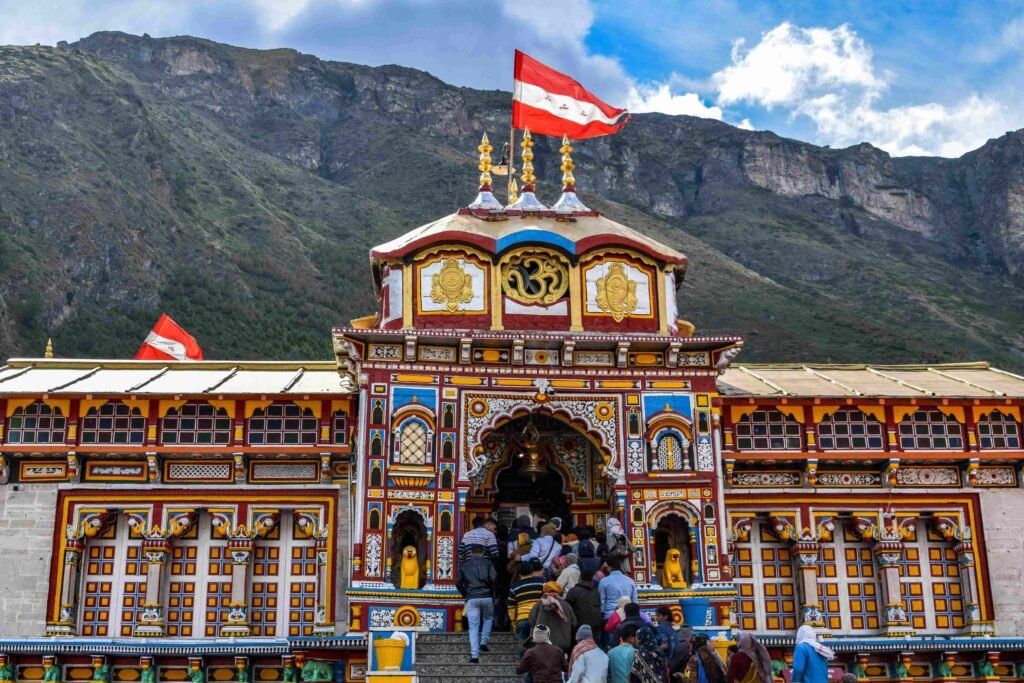
Badrinath Temple is the main highlight of the entire region. Its colourful entrance, traditional Himalayan architecture, and peaceful surroundings make it a truly divine place. Inside the sanctum lies the idol of Lord Badrinarayan, carved from black stone. The atmosphere here is full of devotion, and the sounds of chants, prayers, and bells give every visitor a lasting spiritual experience.
2. Tapt Kund
Located just below the temple, Tapt Kund is a natural hot water spring that remains warm throughout the year. Pilgrims take a holy bath here before offering prayers at the temple, as the water is believed to purify the body and soul. The warmth of the kund comes from natural geothermal energy, making it both a sacred and scientifically interesting spot.
3. Mana Village
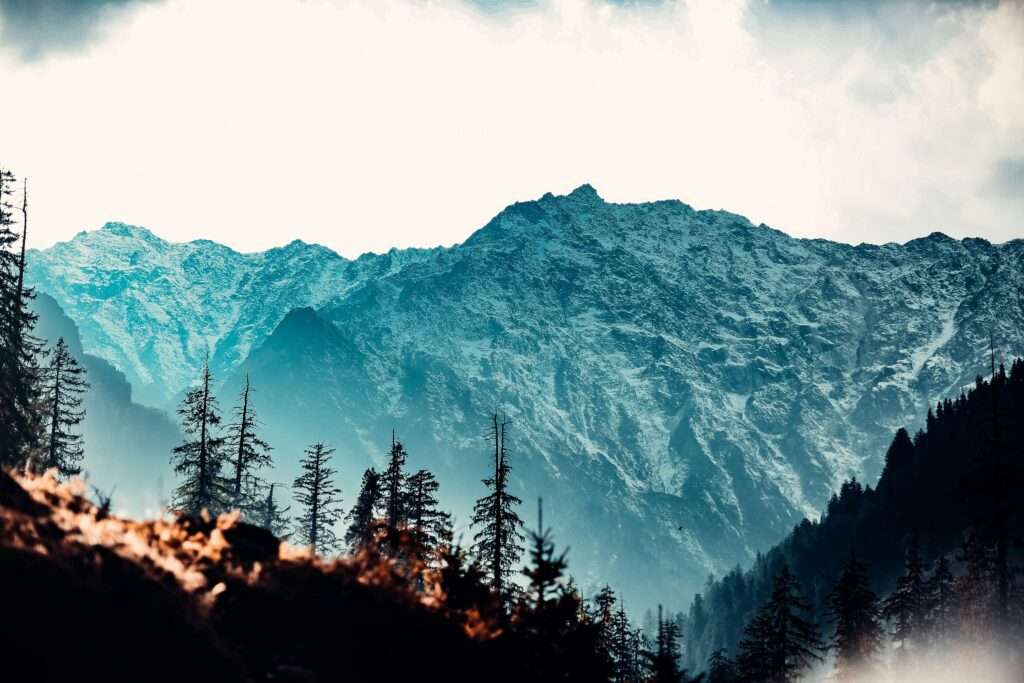
Mana, known as the “Last Village of India,” is situated only a few kilometres from Badrinath. This small Himalayan village is full of charm and culture. Visitors can see Bhim Pul, a naturally formed stone bridge, and the fast-flowing Saraswati River. Visitors can explore traditional woollen handicrafts and peaceful mountain surroundings in the village, gaining a beautiful glimpse into local life and history.
4. Vyas Gufa
Vyas Gufa is an ancient cave where Sage Vyas is believed to have composed the Mahabharata with the help of Lord Ganesha. The cave still carries a strong spiritual presence, and many pilgrims visit it to feel connected to this historic moment. It is a quiet, sacred place that reflects the deep cultural roots of the region.
5. Ganesh Gufa
The cave where Lord Ganesha is said to have written down the verses narrated by Sage Vyas. The cave is small but holds great religious importance. Its peaceful environment and historical significance make it a meaningful stop for devotees exploring Mana and Badrinath.
6. Vasudhara Falls
Vasudhara Falls is a stunning waterfall located a few kilometers away from Badrinath. Falling from a height of nearly 120 meters, the water creates a beautiful mist as it hits the rocks below. The trek leading to the falls is scenic and offers breathtaking mountain views, making it a popular attraction for nature lovers and trekking enthusiasts.
7. Charan Paduka
Charan Paduka is a rocky mountain surface believed to hold the footprints of Lord Vishnu. Visitors have to trek a short distance uphill to reach this spot, and the journey offers panoramic views of the valley. The place carries a strong mythical significance and gives visitors a sense of standing on sacred ground.
8. Neelkanth Peak
Neelkanth Peak is the majestic snow-covered mountain that stands behind the Badrinath Temple. Often called the “Queen of Garhwal,” this peak glows beautifully when the first rays of sunlight fall on it. The sunrise view here is considered one of the most magical sights in the Himalayas and adds a divine charm to the entire region.
Where to Stay in Badrinath
Badrinath offers plenty of places to stay, and travellers can choose according to their budget and comfort level. The town has everything from basic lodges to more comfortable hotels, along with many pilgrim accommodations. Most stays are located close to the temple, so visitors can easily attend prayers and explore the area without long travel. The rooms are usually simple but good enough for a peaceful night’s rest. Since the town gets crowded during the pilgrimage season, it is a good idea to book your stay in advance to avoid last-minute hassle.
1. Budget Hotels
Simple rooms with basic facilities
Good for 1–2 day stays.2. GMVN Guest Houses
Govt-run lodges with clean rooms and reliable service.
3. Dharamshalas
Affordable and suitable for pilgrims.
4. Mid-Range Hotels
Better rooms, hot water, restaurant services.
During peak season (May–June), advance booking is recommended because hotels fill up fast.
Food Options in Badrinath
Badrinath is a sacred pilgrimage town, and only pure vegetarian food is available here. Visitors can enjoy simple, fresh meals like dal, rice, roti, sabzi, tea, Maggi, sweets, and light snacks at local eateries. Local kitchens serve food in a simple, homely style, focusing on freshness and comfort rather than heavy spices. Since the temple is highly sacred, non-vegetarian food, alcohol, and smoking are not allowed in or around the temple. These rules help maintain a clean, peaceful, and spiritual atmosphere for all pilgrims.
Things to Carry for Badrinath Trip
While planning a trip to Badrinath, it is important to pack wisely because the mountain weather can change very quickly. Carry warm clothes, including a jacket and gloves, as temperatures often drop suddenly. Comfortable trekking shoes are useful for walking around the temple and nearby spots. A power bank, basic medicines, a water bottle, and a raincoat are essential for a safe and comfortable journey. Since the region has limited ATMs, it is better to keep some cash with you. Also, make sure to carry your ID proof and a small torch, as some areas may have low lighting during early mornings or late evenings.
Health and Safety Tips
- Avoid traveling at night due to narrow and hilly roads.
- Check weather updates every day.
- If you have breathing issues, carry necessary medicines.
- Walk slowly and avoid overexertion.
- Stay hydrated.
- Keep emergency contacts saved.
Conclusion
Badrinath Dham is a place where spirituality and natural beauty come together. Surrounded by the majestic Himalayas, the temple offers peace, devotion, and a life-changing experience for every visitor. With proper planning, the right travel route, comfortable accommodation, and essential safety knowledge, your journey to Badrinath will be smooth and memorable.
Whether you are going for darshan or to explore the beauty of Uttarakhand, this guide will help you make the most of your trip. Badrinath Dham is not just a destination—it is a journey of faith, nature, and inner peace.
FAQ
Ans. No, the temple opens only for six months (usually May to November). It remains closed during winter due to heavy snowfall and extreme weather conditions.
Ans. The ideal time to visit is May–June and September–October, when the weather is pleasant and roads remain clear.
Ans. The journey is comfortable as most of the route is connected by proper roads. However, the terrain is mountainous, so the drive includes curves and steep sections.
Ans. Yes, pilgrims are required to complete a simple online or offline registration for safety and monitoring purposes.